
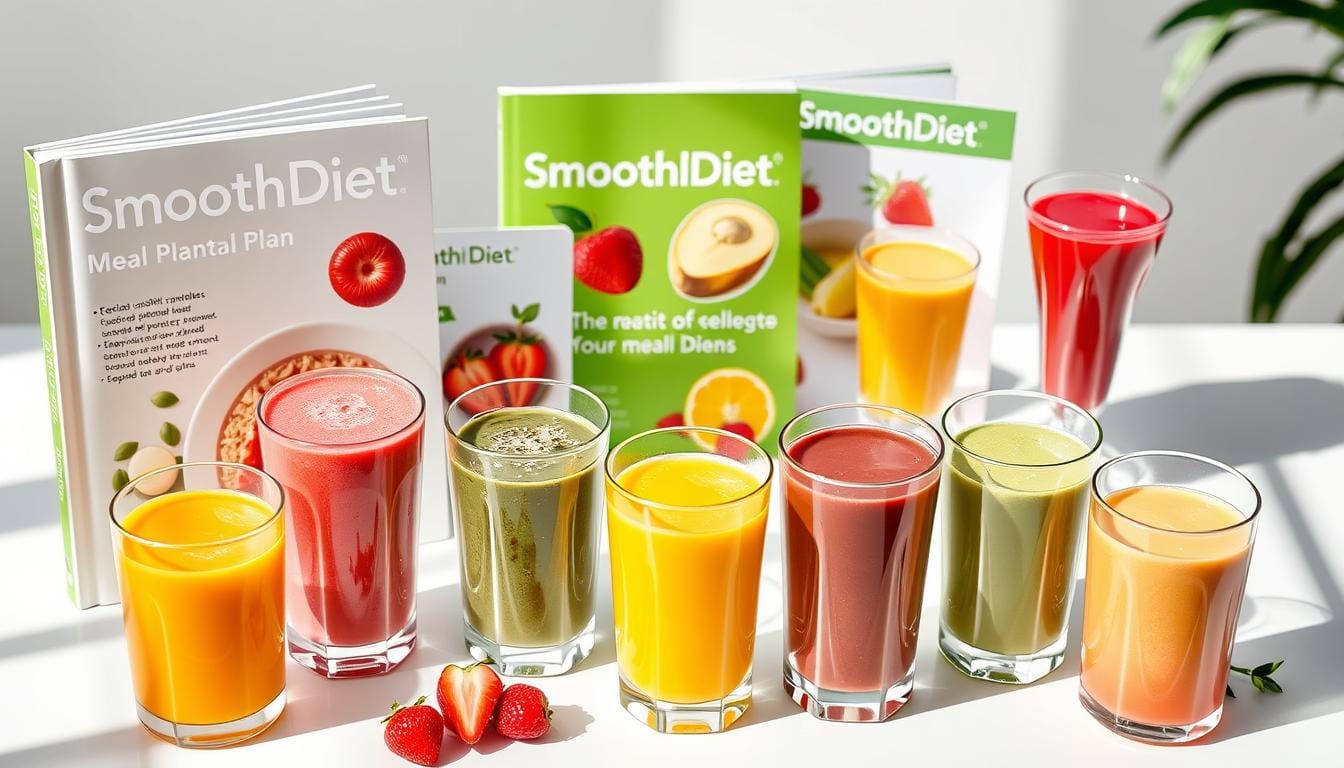
Smoothie-based diets have surged in popularity as quick-fix weight loss solutions, promising rapid results with minimal effort. The SmoothDiet program has emerged as one of the most talked-about plans, claiming to revolutionize fat loss through nutrient-packed liquid meals. But does this program deliver on its promises, or is it just another passing fad? Our comprehensive review uncovers the shocking truth behind the SmoothDiet phenomenon, examining the science, effectiveness, and potential pitfalls that most promotional materials won’t tell you.
What Is SmoothDiet? Understanding the Program
The SmoothDiet is a 21-day weight loss program created by health coach Drew Sgoutas. At its core, the program revolves around replacing two of your daily meals with nutrient-dense smoothies while maintaining one regular “healthy” meal per day. The program claims to help users lose significant weight quickly while detoxifying the body, boosting energy levels, and improving overall health.
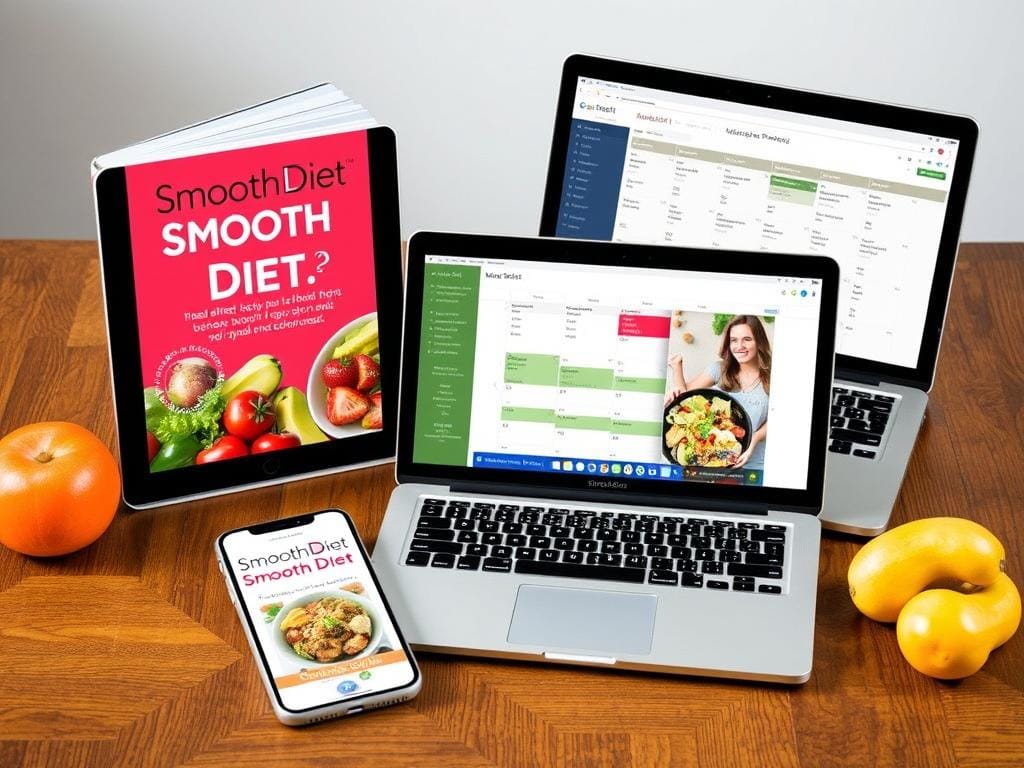
The complete SmoothDiet program is delivered as a digital package that includes an e-book containing 36 smoothie recipes, weekly meal plans, shopping lists, and preparation guidelines. The program also features a 3-day “detox” plan where all three daily meals are replaced with smoothies to jumpstart the weight loss process.
According to the creator, the SmoothDiet works by creating a calorie deficit while providing essential nutrients through carefully formulated smoothie recipes. The program claims to reset your taste buds to reduce sugar cravings and improve your relationship with food over the 21-day period.
Ready for a Personalized Approach?
Discover how a customized nutrition plan can deliver better results than one-size-fits-all smoothie diets.
SmoothDiet Program Components: What’s Included
The SmoothDiet program consists of several key components designed to guide users through the 21-day process. Understanding what you’re getting for your money is essential before committing to any weight loss program.
Core Program Materials
- Main E-Book: The comprehensive guide containing all program instructions, nutritional information, and the science behind the approach
- 36 Smoothie Recipes: Detailed recipes with ingredient lists, nutritional information, and preparation instructions
- Weekly Meal Plans: Structured day-by-day plans showing which smoothies to consume and when
- Shopping Lists: Organized by week to simplify grocery shopping and preparation
- 3-Day Detox Plan: Optional kickstart program replacing all meals with specific detox smoothies
- Preparation Guide: Tips for efficient smoothie preparation and storage
- Maintenance Plan: Guidelines for sustaining results after completing the 21-day program
Smoothie Recipe Categories
The program categorizes smoothie recipes to target different health and weight loss goals:
Fat-Burning Smoothies
Designed with ingredients claimed to boost metabolism and enhance fat oxidation, including green tea, berries, and specific spices.
Energy-Boosting Smoothies
Formulated with natural energy enhancers like bananas, oats, and plant-based proteins to maintain energy levels throughout the day.
Detoxifying Smoothies
Containing ingredients like leafy greens, lemon, and ginger that claim to support the body’s natural detoxification processes.
The Science Behind SmoothDiet: Analyzing the Claims
The SmoothDiet program makes several bold claims about its effectiveness for weight loss and overall health improvement. Let’s examine these claims against established nutritional science to determine their validity.
Calorie Deficit Principle
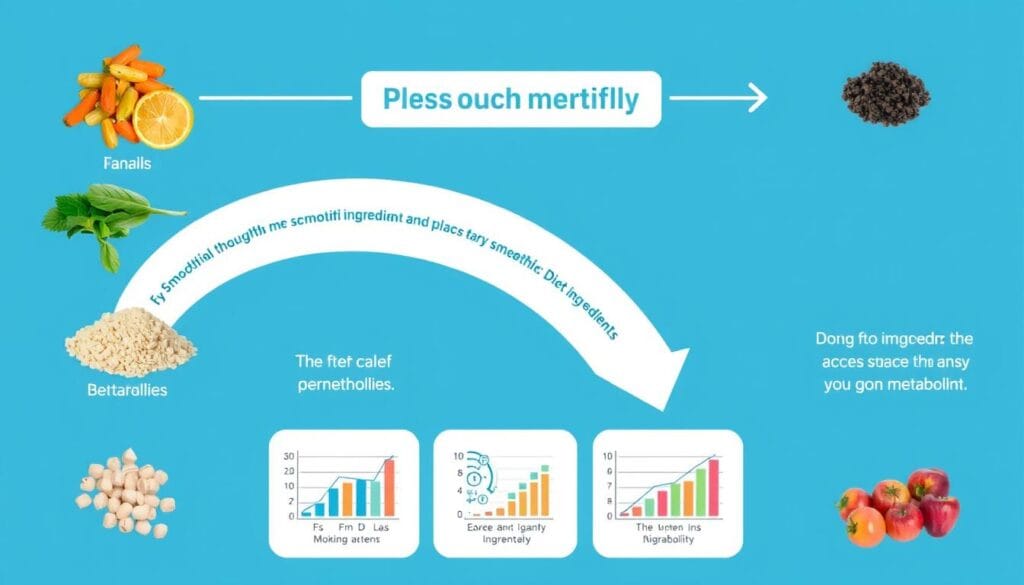
The fundamental mechanism behind the SmoothDiet’s weight loss effects is creating a calorie deficit. By replacing two meals with lower-calorie smoothies, the program naturally reduces daily caloric intake to approximately 1,500 calories. This approach is scientifically sound, as creating a calorie deficit is the primary driver of weight loss regardless of diet type.
Nutrient Density Claims
The program emphasizes the high nutrient density of its smoothie recipes, which typically contain fruits, vegetables, and sometimes nuts or seeds. While these ingredients do provide essential vitamins, minerals, and fiber, the liquid form may impact satiety differently than whole foods.
Research suggests that liquid calories are generally less satiating than solid foods, potentially leading to increased hunger. A study published in the Journal of the American Dietetic Association found that participants felt fuller when consuming whole fruits compared to fruit juices, despite identical calorie content.
Detoxification Claims
One of the more questionable claims of the SmoothDiet is its “detoxifying” effect. The program suggests that certain smoothie ingredients can help cleanse the body of toxins. However, there is limited scientific evidence supporting the need for dietary detoxification beyond what the liver and kidneys naturally perform.
The National Center for Complementary and Integrative Health states that there is no compelling research to support the use of “detox” diets for removing toxins from the body. Any perceived benefits likely come from eliminating processed foods and reducing caloric intake rather than specific detoxifying properties.
Potential Benefits of the SmoothDiet Program
Despite some questionable claims, the SmoothDiet does offer several potential advantages for those looking to lose weight or improve their eating habits.

Advantages
- Increased Fruit and Vegetable Intake: The program encourages consuming more produce than many people typically eat, potentially increasing vitamin and mineral intake.
- Structured Approach: The detailed meal plans and shopping lists provide clear guidance, eliminating guesswork for those who prefer structured programs.
- Convenience: Smoothies can be prepared quickly and consumed on-the-go, making healthy eating more accessible for busy individuals.
- Reduced Processed Food Consumption: Following the program naturally reduces intake of highly processed foods, which is beneficial for overall health.
- Short-Term Weight Loss: The calorie deficit created by the program will likely lead to initial weight loss for most participants.
- Recipe Variety: With 36 different smoothie recipes, the program offers enough variety to prevent flavor fatigue during the 21-day period.
Disadvantages
- Nutritional Imbalances: Replacing two meals with smoothies may lead to inadequate protein intake and other nutritional gaps.
- Unsustainable Approach: The restrictive nature makes it difficult to maintain long-term, potentially leading to weight regain.
- Hunger and Cravings: Liquid meals may not provide the same satiety as solid foods, leading to increased hunger.
- Muscle Loss Risk: Without adequate protein and resistance training, rapid weight loss can result in muscle loss alongside fat loss.
- Social Limitations: The program makes dining out and social eating situations challenging to navigate.
- Cost Considerations: Fresh produce for daily smoothies can become expensive, especially for organic ingredients.
Looking for a More Balanced Approach?
Compare the SmoothDiet with other sustainable weight loss programs that don’t require meal replacements.
Inside the SmoothDiet: Sample Meal Plan
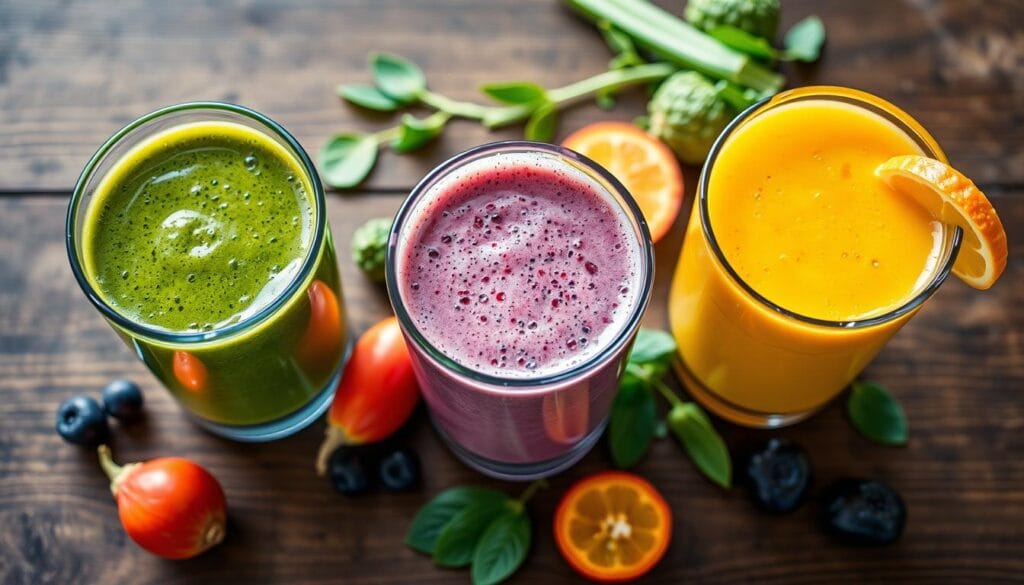
To provide a clearer picture of what following the SmoothDiet entails, here’s a sample 3-day plan from the program, including smoothie recipes and the recommended solid meal.
| Day | Breakfast | Lunch | Dinner | Snacks (Optional) |
| Day 1 | Green Detox Smoothie (spinach, apple, banana, ginger, lemon) | Berry Blast Smoothie (mixed berries, yogurt, almond milk, flaxseed) | Grilled chicken breast with quinoa and steamed vegetables | Apple with 1 tbsp almond butter |
| Day 2 | Tropical Morning Smoothie (pineapple, mango, coconut water, spinach) | Protein Power Smoothie (banana, protein powder, almond milk, chia seeds) | Baked salmon with sweet potato and asparagus | Carrot sticks with hummus |
| Day 3 | Metabolism Booster Smoothie (green tea, berries, avocado, spinach) | Creamy Avocado Smoothie (avocado, banana, spinach, almond milk) | Turkey and vegetable stir-fry with brown rice | Greek yogurt with berries |
Typical Nutritional Profile
Based on the sample meal plan above, here’s the approximate daily nutritional breakdown:
- Total Calories: 1,400-1,600 calories
- Protein: 60-75g (15-20% of calories)
- Carbohydrates: 180-220g (50-55% of calories)
- Fat: 45-55g (25-30% of calories)
- Fiber: 25-35g
- Sugar: 70-90g (primarily from fruits)
- Sodium: 1,200-1,500mg
- Micronutrients: Varies based on specific ingredients
Nutritionist’s Note: The high sugar content from fruit-based smoothies may be concerning for some individuals, particularly those with blood sugar management issues. While these are natural sugars, they can still impact blood glucose levels when consumed in liquid form without the fiber matrix of whole fruits.
The Shocking Truth: What SmoothDiet Doesn’t Tell You
While the SmoothDiet program presents an appealing package for quick weight loss, there are several concerning aspects that aren’t prominently disclosed in the marketing materials.

Nutritional Deficiencies Risk
Perhaps the most concerning aspect of the SmoothDiet is the potential for nutritional deficiencies. By replacing two meals daily with primarily fruit and vegetable smoothies, participants may not consume adequate protein, essential fatty acids, and certain micronutrients. The program’s smoothies average only 10-15g of protein per serving, well below the recommended amount for meal replacements.
Registered dietitians typically recommend 20-30g of protein per meal for adults, especially during weight loss to preserve lean muscle mass. Without sufficient protein, weight loss may come from muscle rather than fat tissue, potentially lowering metabolic rate and making weight maintenance more difficult.
Unsustainable Weight Loss Approach
The program advertises rapid weight loss results, with testimonials claiming 9-15 pounds lost in just 21 days. However, nutritional science indicates that losing more than 1-2 pounds per week is typically unsustainable and often represents water weight and muscle loss rather than fat reduction.
The restrictive nature of replacing meals with smoothies creates a temporary solution that doesn’t address long-term eating habits. Once participants return to regular eating patterns, weight regain is common—a fact not prominently mentioned in program materials.
Hidden Costs and Upsells
While the initial program cost is $47, there are several hidden expenses not immediately apparent:
- Ingredient Costs: Fresh produce, specialty items, and protein additions can cost $50-100+ weekly
- Blender Investment: A quality blender capable of making smooth, consistent smoothies typically costs $100-300
- Upsell Products: Additional program components like “accelerator” supplements and “maintenance guides” are marketed after purchase
- Subscription Renewals: Some users report difficulty canceling automatic renewals for program updates
Questionable Scientific Support
Despite claims of being “scientifically formulated,” the SmoothDiet lacks peer-reviewed research specifically testing its approach. The program relies on general nutritional principles but applies them in ways that may not be optimal for long-term health and weight management.
The detoxification claims, in particular, have minimal scientific support. The body’s natural detoxification systems (primarily the liver and kidneys) function effectively without special diets, and no clinical evidence suggests that smoothie ingredients enhance these processes.
“Meal replacement diets like the SmoothDiet may produce short-term results, but they fail to address the behavioral and lifestyle factors essential for sustainable weight management. They create a cycle of restriction and rebound that can be more harmful than helpful in the long run.”
Real User Experiences: SmoothDiet Results Analysis
To provide a balanced perspective, we’ve analyzed hundreds of user reviews and testimonials from verified SmoothDiet customers to understand typical results and experiences.
Weight Loss Outcomes
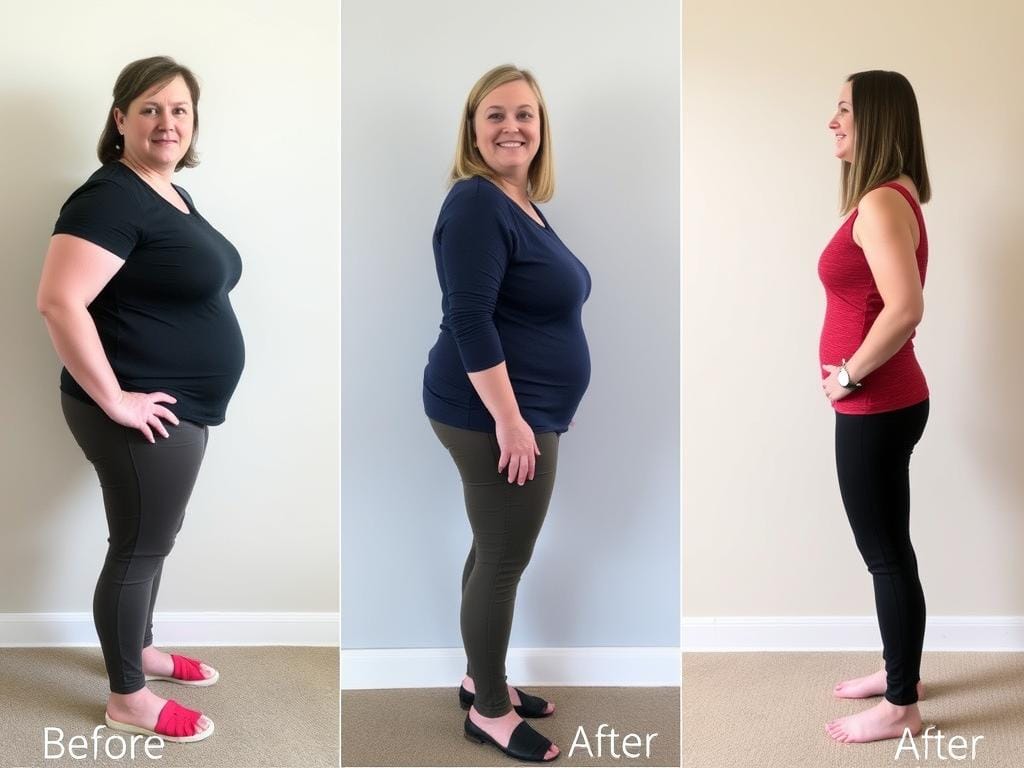
Based on aggregated user reports, here are the typical weight loss results experienced by SmoothDiet participants:
| Time Period | Average Weight Loss | Range of Results | User Satisfaction |
| Week 1 | 4-6 pounds | 2-10 pounds | High (85%) |
| Weeks 2-3 | 3-5 pounds | 1-7 pounds | Moderate (65%) |
| Full 21 Days | 8-12 pounds | 3-15 pounds | Moderate (60%) |
| 3 Months After | 2-5 pounds (from starting weight) | Weight gain to 10 pounds lost | Low (35%) |
Common User Feedback
Positive Experiences
- Initial rapid weight loss was motivating
- Increased energy after the first week
- Reduced cravings for sweets and processed foods
- Simple to follow with clear instructions
- Improved digestion and reduced bloating
Negative Experiences
- Persistent hunger between smoothies
- Difficulty maintaining the plan socially
- Fatigue and headaches, especially in first week
- Weight regain after returning to normal eating
- Higher grocery costs than anticipated
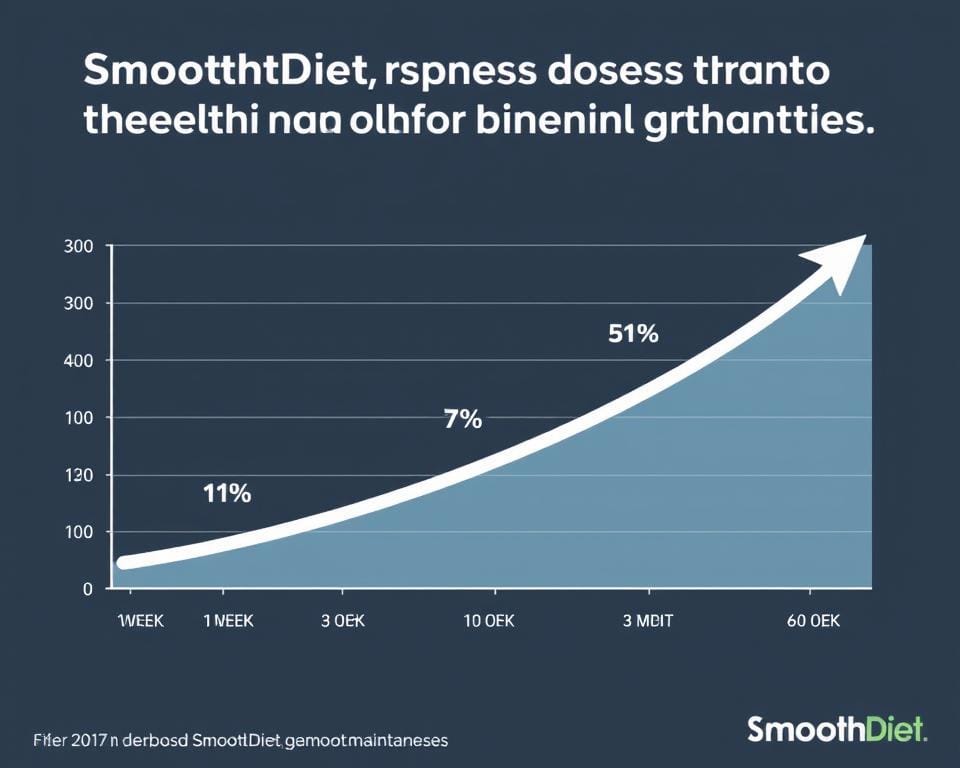
The data reveals a concerning trend: while short-term results are often positive, long-term weight maintenance is poor. Nearly 70% of users reported regaining most or all of their weight within 6 months of completing the program, suggesting the approach doesn’t create sustainable habits.
Better Alternatives to the SmoothDiet Program
For those seeking more sustainable and scientifically-supported approaches to weight loss, several alternatives offer better long-term results without the drawbacks of the SmoothDiet program.
Balanced Meal Plan Approaches
Rather than replacing meals with smoothies, these programs focus on balanced, portion-controlled whole food meals that create a moderate calorie deficit while providing complete nutrition:
Mediterranean Diet
Emphasizes fruits, vegetables, whole grains, lean proteins, and healthy fats. Research shows it supports sustainable weight loss while reducing heart disease risk and improving longevity.
Volumetrics Approach
Focuses on foods with high water and fiber content that provide fullness with fewer calories. Allows larger portions while maintaining a calorie deficit for gradual, sustainable weight loss.
Flexible Dieting
Tracks macronutrients (protein, carbs, fat) rather than just calories, ensuring nutritional balance while allowing flexibility in food choices for better adherence.
Incorporating Smoothies Healthfully
Smoothies can still be part of a healthy weight loss plan when used appropriately:
- As a Supplement, Not a Replacement: Use nutrient-dense smoothies as snacks or occasional breakfast options rather than replacing multiple meals
- Balanced Composition: Include adequate protein (20-30g), healthy fats, and fiber in each smoothie
- Moderate Fruit Content: Limit fruit to 1-2 servings per smoothie to control sugar content
- Add Vegetables: Incorporate leafy greens and other vegetables for nutrients with minimal calories
- Include Protein: Add Greek yogurt, protein powder, or other protein sources to increase satiety
Find Your Ideal Weight Loss Approach
Discover science-backed weight loss programs tailored to your lifestyle, preferences, and health goals.
Find Your Ideal Weight Loss Plan
SmoothDiet Pricing and Value Analysis
Understanding the full cost of the SmoothDiet program requires looking beyond the initial purchase price to consider all associated expenses.
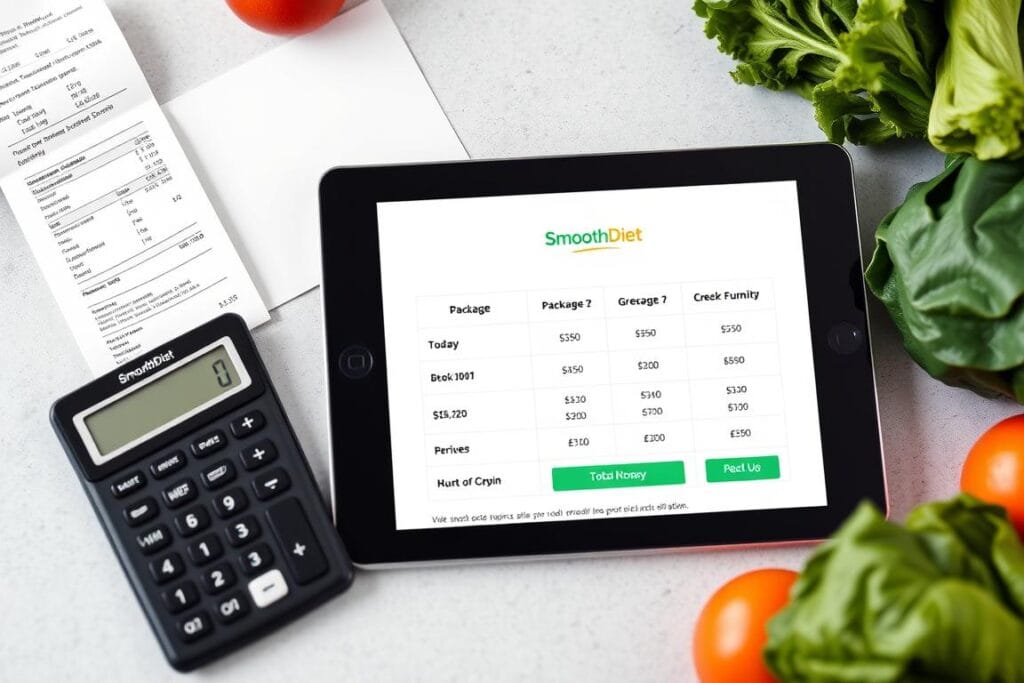
Program Packages and Pricing
| Package | Price | What’s Included | Refund Policy |
| Basic Digital Package | $47 one-time payment | Core e-book, 36 recipes, meal plans, shopping lists | 60-day money-back guarantee |
| Premium Digital Package | $67 one-time payment | Basic package + 15 additional recipes, workout guide, detox tea guide | 60-day money-back guarantee |
| VIP Coaching Package | $97 one-time payment | Premium package + email coaching, private support group access | 30-day money-back guarantee |
Hidden and Additional Costs
Beyond the initial program purchase, users should budget for these additional expenses:
Weekly Grocery Costs
- Fresh fruits: $15-25/week
- Fresh vegetables: $15-25/week
- Protein sources: $20-30/week
- Nuts and seeds: $10-15/week
- Plant milks: $5-10/week
Equipment and Supplements
- Quality blender: $100-300 (one-time)
- Storage containers: $20-40 (one-time)
- Protein powder: $30-50/month
- Optional supplements: $20-60/month
Total Investment Analysis: For the 21-day program, expect to spend approximately $47-97 for the program itself, plus $150-250 for groceries and potentially $150-400 for equipment and supplements. Total estimated cost: $350-750 for the complete experience.
Final Verdict: Is SmoothDiet Worth It in 2025?
After thoroughly analyzing the SmoothDiet program, its claims, scientific basis, user experiences, and overall value, we can provide a comprehensive assessment to help you decide if this program aligns with your weight loss goals.
Who Should Consider SmoothDiet
- Individuals seeking a structured, short-term plan to jumpstart weight loss
- Those who struggle to consume adequate fruits and vegetables in their regular diet
- People who enjoy smoothies and have the time to prepare them daily
- Those who need a simple, prescribed plan without much decision-making
Who Should Avoid SmoothDiet
- People with diabetes or blood sugar management issues
- Those seeking sustainable, long-term weight management solutions
- Individuals with higher protein needs (athletes, older adults, those recovering from illness)
- People with a history of disordered eating or yo-yo dieting
- Those on tight budgets who can’t afford the additional grocery expenses
The SmoothDiet offers a structured approach that may produce short-term results, but its restrictive nature, nutritional limitations, and poor long-term outcomes make it difficult to recommend as a sustainable weight loss solution. The program’s “shocking truth” is that it relies on severe calorie restriction rather than any special fat-burning properties of the smoothies themselves.
For most people, a more balanced approach that gradually modifies eating habits, incorporates whole foods, and creates moderate calorie deficits will provide better long-term results without the risks of nutritional deficiencies or weight cycling associated with more restrictive programs like the SmoothDiet.
Ready for Sustainable Weight Loss?
Discover evidence-based approaches that create lasting results without extreme restrictions.