

Struggling to lose weight but can’t find time for exercise? You’re not alone. Between busy work schedules, family responsibilities, and physical limitations, traditional workout routines aren’t always feasible. The good news? You can still achieve significant weight loss through strategic nutrition choices. The Smoothie Diet Plan offers a practical, science-backed approach to shed pounds without spending hours at the gym.
This comprehensive guide will walk you through a proven 7-day smoothie diet plan specifically designed for weight loss without exercise. You’ll discover nutrient-dense recipes, practical implementation strategies, and expert tips to maximize your results while maintaining your energy and overall health.
What Is The Smoothie Diet Plan?
The Smoothie Diet Plan is a structured nutritional approach that replaces certain meals with nutrient-dense smoothies to create a calorie deficit while maintaining optimal nutrition. Unlike extreme juice cleanses that can leave you hungry and nutritionally deprived, this balanced plan incorporates protein, healthy fats, and fiber to keep you satisfied while supporting weight loss.
Key Components of The Smoothie Diet
Nutrient-Dense Ingredients
The foundation of effective weight loss smoothies includes leafy greens (spinach, kale), antioxidant-rich berries, fiber-packed fruits, plant-based proteins, and healthy fats from sources like avocados and chia seeds. These ingredients create filling, nutritionally complete meal replacements that support your body’s functions while promoting fat loss.
Strategic Meal Replacement
Rather than eliminating solid food entirely, the plan strategically replaces 1-2 meals daily with carefully formulated smoothies. This creates a sustainable calorie deficit without triggering starvation responses that can sabotage weight loss efforts. The remaining meal consists of whole, minimally processed foods.
How Smoothies Support Weight Loss Without Exercise
- Caloric Control: Smoothies provide precise portion control, making it easier to maintain a calorie deficit essential for weight loss.
- Nutrient Density: Packed with vitamins, minerals, and antioxidants, smoothies nourish your body while consuming fewer calories.
- Improved Digestion: The fiber content supports gut health and efficient digestion, reducing bloating and improving nutrient absorption.
- Blood Sugar Regulation: Properly formulated smoothies with protein and healthy fats help maintain stable blood sugar levels, reducing cravings.
- Metabolic Support: Certain ingredients like ginger, cinnamon, and green tea can naturally boost your metabolism, enhancing fat burning even without exercise.
“The key to successful weight loss without exercise lies in creating a sustainable calorie deficit while ensuring optimal nutrition. Smoothies offer a convenient, measurable way to achieve both goals simultaneously.”
How to Implement The Smoothie Diet Plan
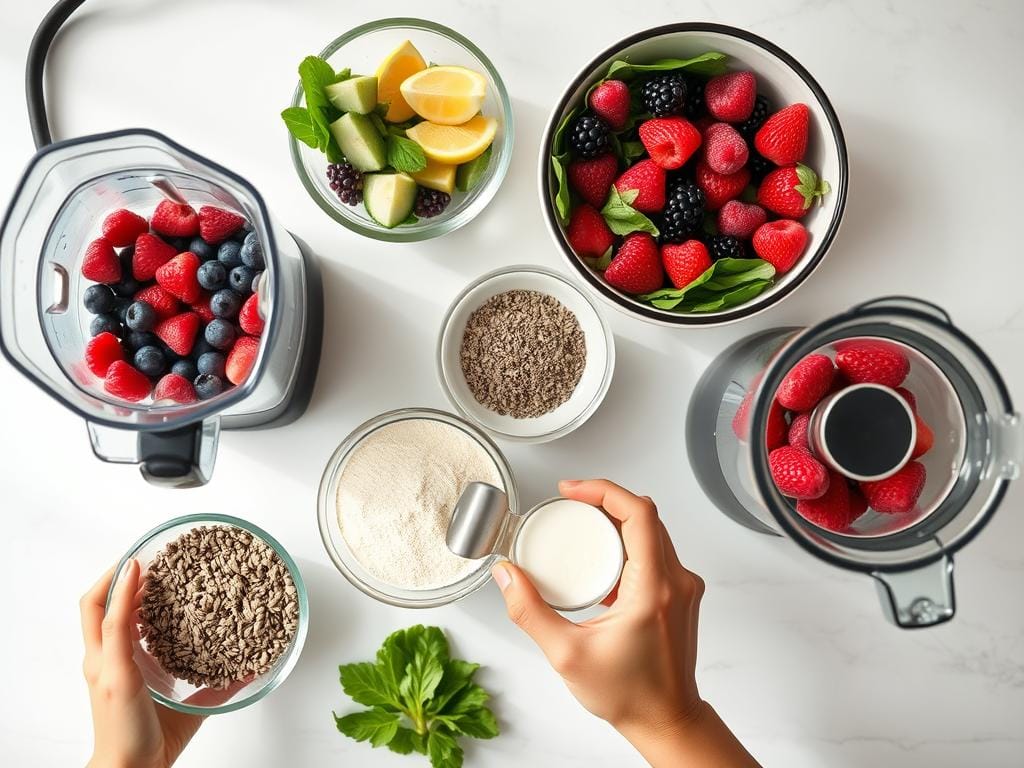
Successfully implementing the smoothie diet plan requires proper preparation and understanding of key principles. Follow these practical steps to maximize your results while ensuring the plan fits seamlessly into your lifestyle.
Getting Started: Essential Preparation
Kitchen Setup
Invest in a quality blender capable of creating smooth textures. Stock your kitchen with essential ingredients: frozen fruits, leafy greens, protein sources, healthy fats, and plant-based milk alternatives. Prepare portion-sized containers for easy smoothie assembly.
Meal Planning
Decide which meals to replace with smoothies based on your schedule and preferences. Most people find replacing breakfast and lunch while enjoying a balanced dinner works best. Pre-portion ingredients for the week to save time and ensure consistency.
Tracking Progress
Establish baseline measurements including weight, measurements, and photos. Track your progress weekly rather than daily to account for natural fluctuations. Consider using a food journal to monitor how different smoothie combinations affect your energy and satisfaction levels.
Daily Schedule and Meal Replacement Guidelines
| Time | Meal | Recommendation | Portion Size |
| 7:00-8:00 AM | Breakfast | Protein-rich smoothie | 16-20 oz |
| 10:00-11:00 AM | Snack | Water, herbal tea, or small fruit | 8 oz or 1 small fruit |
| 12:30-1:30 PM | Lunch | Nutrient-dense smoothie | 16-20 oz |
| 3:00-4:00 PM | Snack | Vegetable sticks with hummus | 1 cup veggies, 2 tbsp hummus |
| 6:00-7:00 PM | Dinner | Balanced whole food meal | Standard portion |
Portion Control Tip: Use the same size glass or container for your smoothies each day to maintain consistent portions. A 16-20 oz serving is ideal for meal replacement, while 8-12 oz works well for snacks.
Hydration and Supplementation
Proper hydration is crucial when following the smoothie diet plan. Aim to drink at least 8-10 glasses of water daily in addition to your smoothies. This supports digestion, helps eliminate toxins, and prevents dehydration that can be mistaken for hunger.
While the plan provides substantial nutrition, consider consulting with a healthcare provider about potential supplementation, particularly for vitamin D, B12, and omega-3 fatty acids, depending on your specific dietary choices and needs.
7-Day Smoothie Diet Meal Plan for Weight Loss 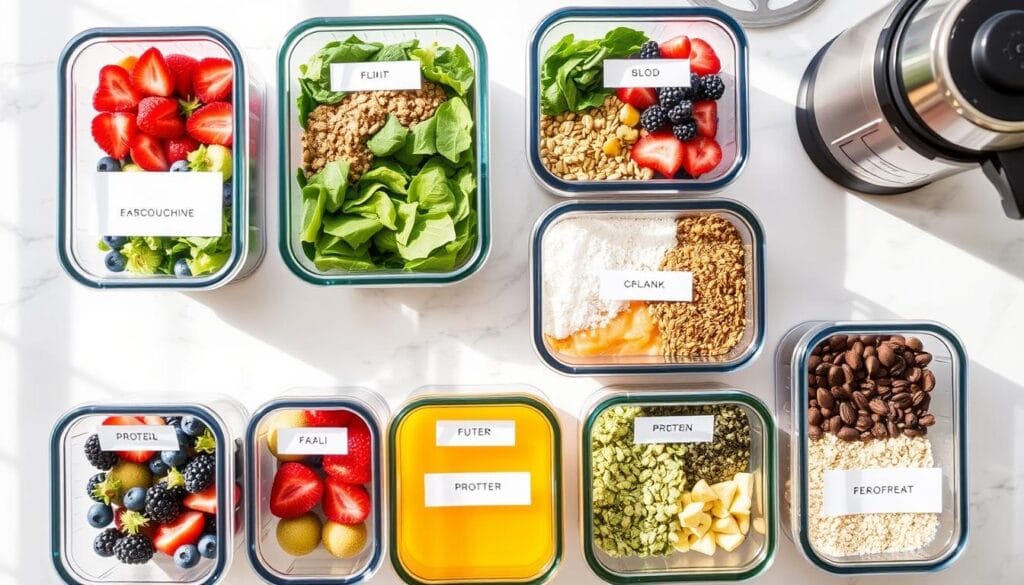
This 7-day plan provides a structured approach to implementing the smoothie diet for weight loss. Each day features carefully balanced smoothie recipes for breakfast and lunch, with a nutritious whole-food dinner to ensure complete nutrition.
Day 1: Metabolism Boost
Breakfast: Green Energy Kickstart
- 1 cup spinach
- 1/2 banana
- 1/2 cup pineapple chunks
- 1 tablespoon chia seeds
- 1 scoop plant-based protein powder
- 1 cup unsweetened almond milk
- 1/2 teaspoon ginger (fresh or ground)
Preparation: Blend all ingredients until smooth. Add ice if desired.
Lunch: Berry Protein Power
- 1 cup mixed berries (strawberries, blueberries, raspberries)
- 1/2 avocado
- 1 tablespoon flaxseeds
- 1 scoop vanilla protein powder
- 1 cup unsweetened coconut milk
- 1/4 teaspoon cinnamon
Preparation: Blend all ingredients until creamy. Add water to adjust consistency.
Dinner: Balanced Plate
4 oz grilled chicken breast, 1 cup roasted vegetables, 1/2 cup quinoa with herbs
Day 2: Detox and Cleanse
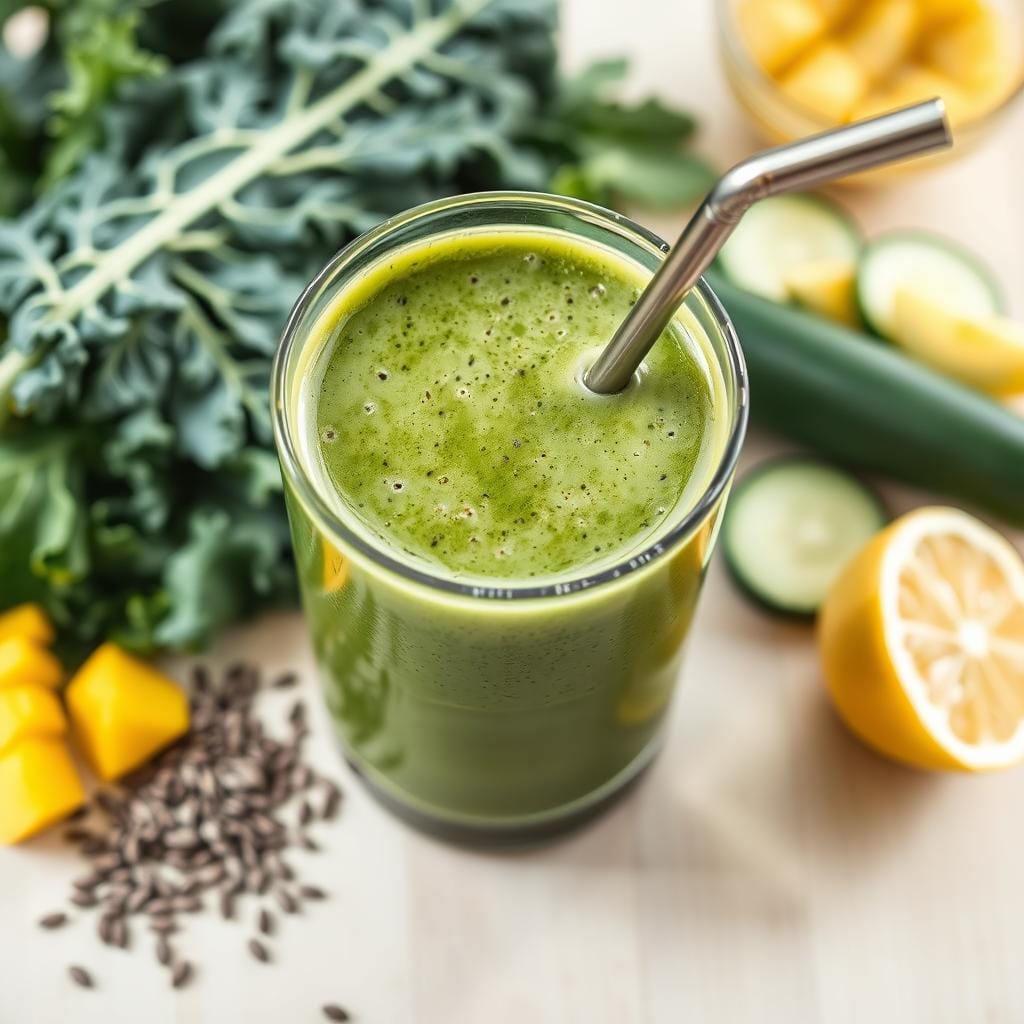
Breakfast: Tropical Detox
- 1 cup kale
- 1/2 cup mango chunks
- 1/2 cucumber
- 1 tablespoon hemp seeds
- Juice of 1/2 lemon
- 1 cup coconut water
- 1 scoop unflavored protein powder
Preparation: Blend all ingredients until smooth. Add ice for a refreshing chill.
Lunch: Cleansing Green Machine
- 1 cup spinach
- 1/2 green apple
- 1/2 cup pineapple
- 1 stalk celery
- 1 tablespoon almond butter
- 1 cup unsweetened almond milk
- 1 teaspoon spirulina (optional)
Preparation: Blend all ingredients until smooth and vibrant green.
Dinner: Light Protein
4 oz baked salmon, large mixed green salad with olive oil and lemon dressing, 1/4 avocado
Day 3: Anti-Inflammatory Focus
Breakfast: Turmeric Golden Glow
- 1 banana
- 1/2 cup frozen pineapple
- 1 tablespoon chia seeds
- 1 teaspoon turmeric
- Pinch of black pepper
- 1 cup unsweetened coconut milk
- 1 scoop vanilla protein powder
Preparation: Blend all ingredients until golden and smooth.
Lunch: Cherry Berry Anti-Inflammatory
- 1 cup mixed berries
- 1/2 cup tart cherries
- 1/2 cup spinach
- 1 tablespoon ground flaxseed
- 1 cup unsweetened almond milk
- 1 scoop plant-based protein powder
Preparation: Blend all ingredients until smooth and vibrant.
Dinner: Mediterranean Plate
4 oz grilled white fish, 1 cup roasted vegetables with garlic, 1/2 cup brown rice, 1 tablespoon olive oil
Day 4: Hunger Control
Breakfast: Almond Butter Satiety
- 1 banana
- 1 tablespoon almond butter
- 1 tablespoon chia seeds
- 1/2 cup rolled oats
- 1 cup unsweetened almond milk
- 1 scoop protein powder
- 1/4 teaspoon cinnamon
Preparation: Blend all ingredients until thick and creamy.
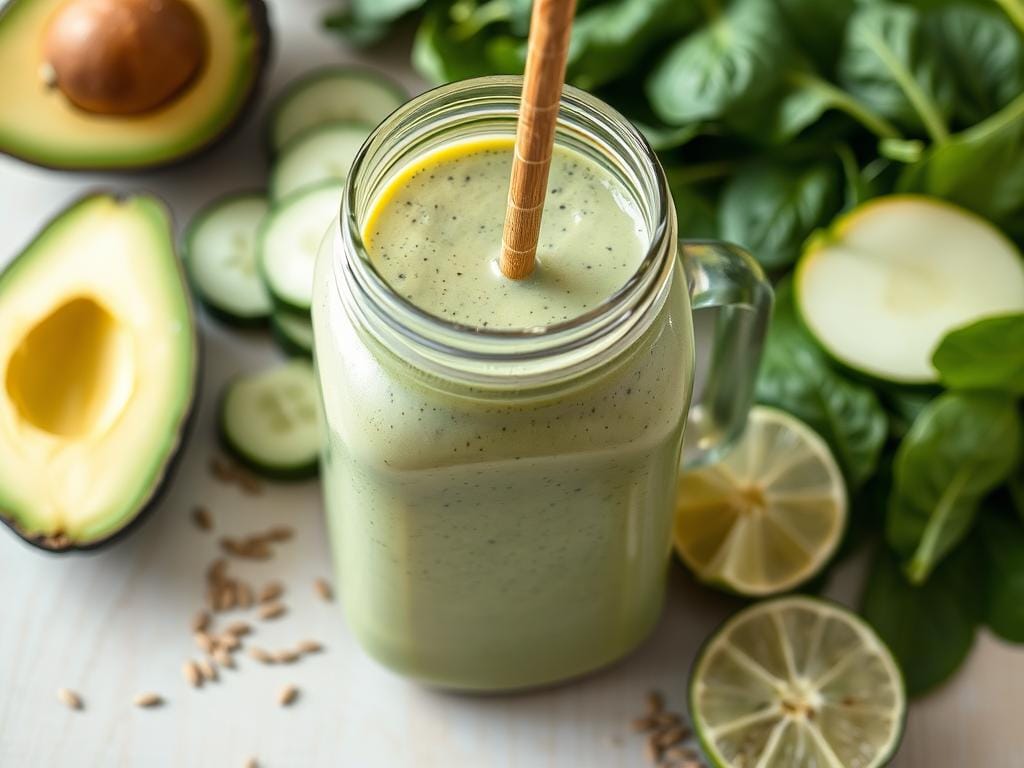
Lunch: Avocado Cucumber Refresher
- 1/2 avocado
- 1/2 cucumber
- 1/2 cup spinach
- 1/2 green apple
- 1 tablespoon hemp seeds
- Juice of 1/2 lime
- 1 cup coconut water
- 1 scoop unflavored protein powder
Preparation: Blend all ingredients until smooth and creamy.
Dinner: Protein Bowl
4 oz lean ground turkey, 1/2 cup black beans, 1 cup roasted vegetables, 1/4 avocado, salsa
Day 5: Metabolism Accelerator
Breakfast: Cinnamon Roll Protein
- 1/2 banana
- 1/2 cup rolled oats
- 1 tablespoon almond butter
- 1 teaspoon cinnamon
- 1 cup unsweetened almond milk
- 1 scoop vanilla protein powder
- 1/2 teaspoon vanilla extract
Preparation: Blend all ingredients until smooth and creamy.
Lunch: Spicy Metabolism Booster
- 1/2 cup pineapple
- 1/2 cup mango
- 1 cup spinach
- Small piece of fresh ginger (1/2 inch)
- Pinch of cayenne pepper
- 1 cup coconut water
- 1 scoop protein powder
Preparation: Blend all ingredients until smooth.
Dinner: Lean and Green
4 oz grilled chicken breast, large green salad with various vegetables, 1 tablespoon olive oil and lemon dressing
Day 6: Fiber Focus
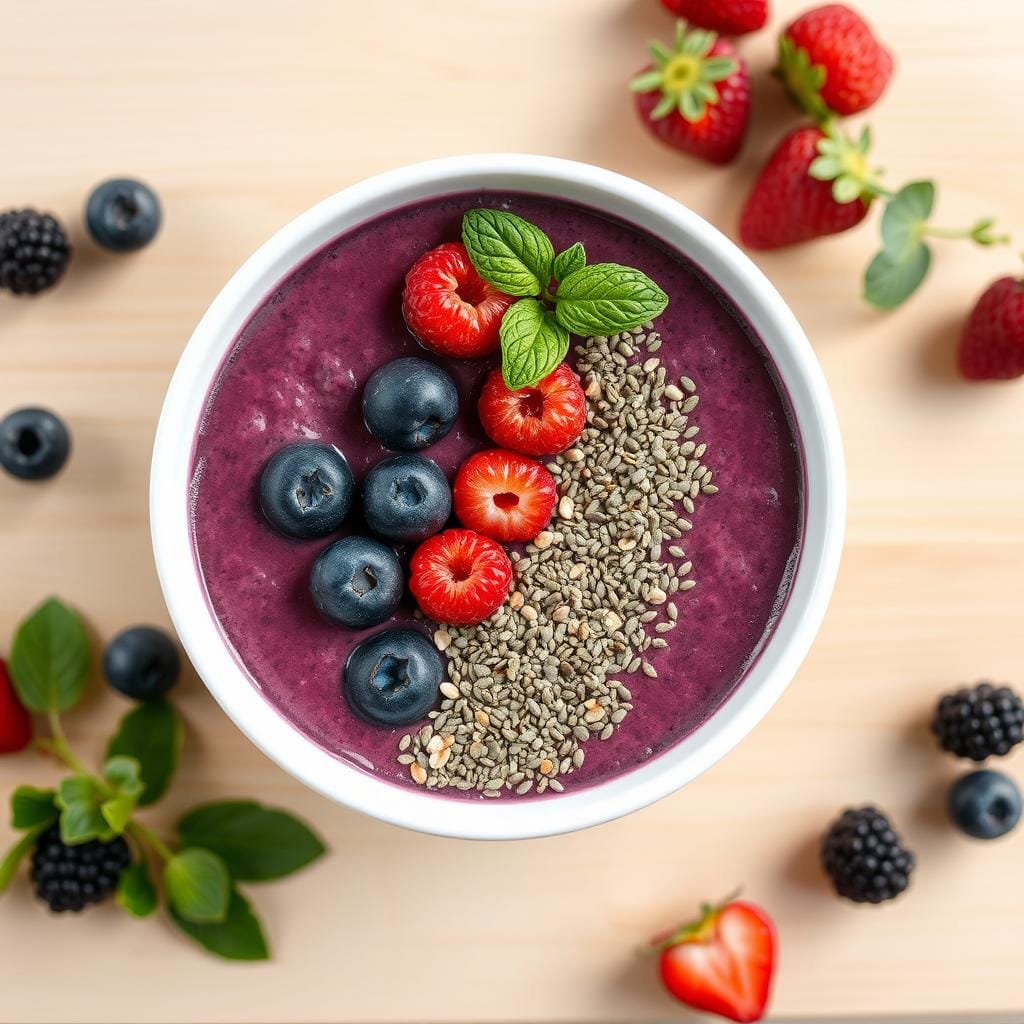
Breakfast: Berry Fiber Blast
- 1 cup mixed berries
- 1 tablespoon chia seeds
- 1 tablespoon ground flaxseed
- 1/2 cup rolled oats
- 1 cup unsweetened almond milk
- 1 scoop protein powder
Preparation: Blend all ingredients until smooth. Let sit for 5 minutes to thicken.
Lunch: Green Fiber Machine
- 1 cup kale
- 1/2 green apple
- 1/2 cup cucumber
- 1 stalk celery
- 1 tablespoon hemp seeds
- 1 cup unsweetened almond milk
- 1 scoop unflavored protein powder
Preparation: Blend all ingredients until smooth.
Dinner: Fiber-Rich Plate
4 oz baked tofu or tempeh, 1 cup roasted Brussels sprouts, 1/2 cup sweet potato
Day 7: Complete Nutrition
Breakfast: Complete Breakfast Smoothie
- 1/2 banana
- 1/2 cup blueberries
- 1 tablespoon almond butter
- 1 cup spinach
- 1/4 avocado
- 1 cup unsweetened almond milk
- 1 scoop protein powder
- 1 tablespoon chia seeds
Preparation: Blend all ingredients until smooth and creamy.
Lunch: Rainbow Nutrition Blast
- 1/2 cup mixed berries
- 1/2 cup mango
- 1 cup mixed greens (spinach and kale)
- 1 tablespoon hemp seeds
- 1 cup unsweetened coconut milk
- 1 scoop protein powder
Preparation: Blend all ingredients until smooth.
Dinner: Balanced Nutrition
4 oz lean protein of choice, 1 cup steamed vegetables, 1/2 cup quinoa, 1 tablespoon healthy oil
Benefits Beyond Weight Loss
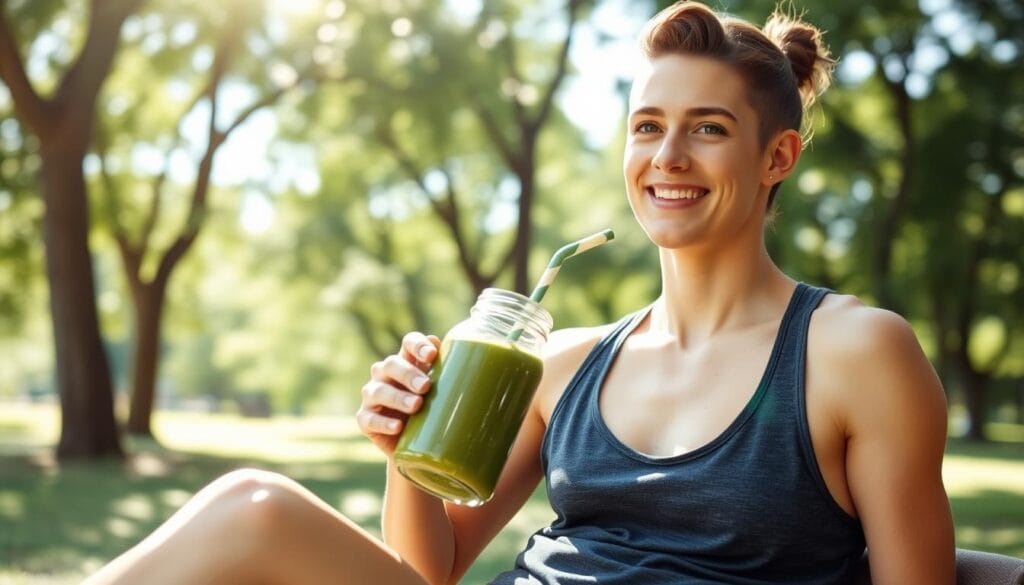
While weight loss is often the primary goal, the smoothie diet plan offers numerous additional health benefits that contribute to overall wellbeing. These advantages make the plan worthwhile even beyond its effectiveness for shedding pounds without exercise.
Increased Energy Levels
Many people report significant energy boosts within days of starting the smoothie diet plan. This occurs because smoothies provide readily available nutrients that are easily absorbed, eliminating the energy drain associated with digesting heavy meals. The balanced combination of natural sugars, proteins, and healthy fats delivers sustained energy without crashes.
Improved Digestive Health
The high fiber content in fruit and vegetable smoothies supports healthy digestion and regular bowel movements. Many users experience reduced bloating, less gas, and relief from digestive discomfort. The plan also promotes a healthy gut microbiome, which research increasingly links to overall health, immunity, and even mood regulation.
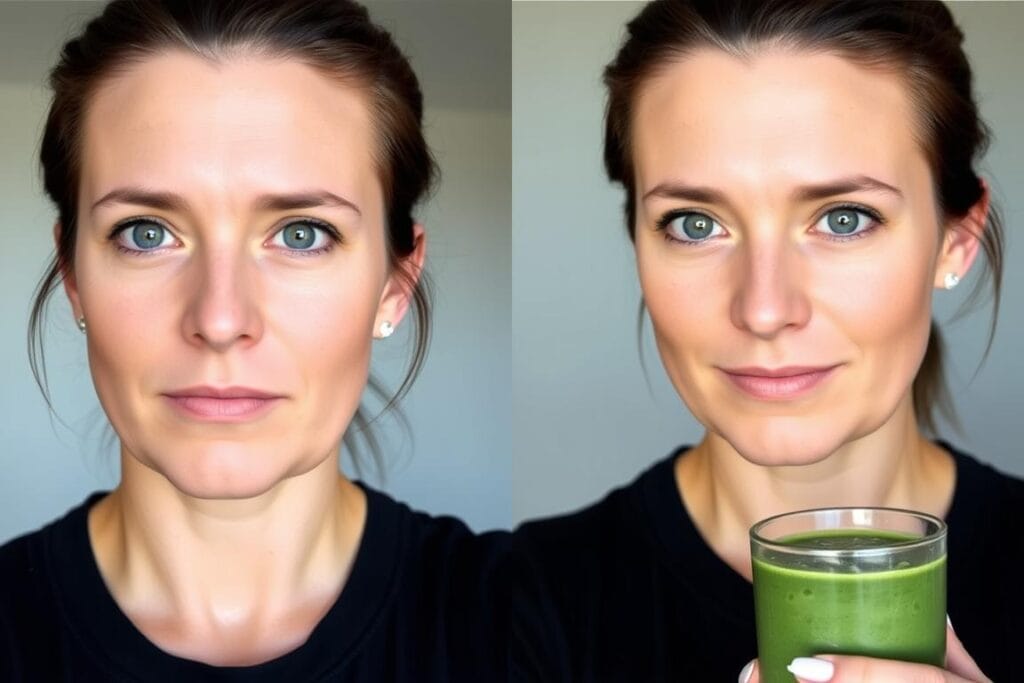
Enhanced Skin Clarity
The abundance of antioxidants, vitamins, and hydration from smoothies often translates to noticeable improvements in skin appearance. Users frequently report clearer complexion, reduced acne, and a healthy glow within weeks. The detoxifying effects of ingredients like leafy greens help eliminate toxins that can manifest as skin problems.
Better Sleep Quality
Many smoothie diet followers report improved sleep patterns. This benefit likely stems from better blood sugar regulation, reduced inflammation, and the inclusion of ingredients with natural sleep-supporting properties. Quality sleep further enhances weight loss efforts by regulating hunger hormones and supporting metabolism.
Mental Clarity and Mood Enhancement
Beyond physical benefits, many people experience improved mental clarity and mood stabilization. The nutritional density of smoothies provides the brain with essential nutrients while eliminating processed foods that can cause brain fog and mood swings. The steady energy from balanced smoothies helps maintain consistent focus throughout the day.
“I started the smoothie diet plan primarily to lose weight, but the mental clarity and energy boost have been life-changing. I’m more productive at work and no longer experience the afternoon slump that used to send me reaching for caffeine and sugar.”
Important Precautions and Considerations

While the smoothie diet plan is generally safe for most people, certain precautions should be considered to ensure it’s appropriate for your individual health needs and circumstances.
Who Should Avoid or Modify This Diet
Suitable For
- Generally healthy adults looking to lose weight
- People with limited mobility or exercise restrictions
- Those wanting to improve nutrition and energy levels
- Individuals looking to reset eating habits
- People with mild digestive issues (with proper modifications)
Should Consult Doctor First
- Pregnant or breastfeeding women
- People with diabetes or blood sugar disorders
- Those with kidney or liver conditions
- Individuals with eating disorders
- People on medications affected by dietary changes
- Those with significant nutritional deficiencies
Ensuring Nutritional Adequacy
To maintain nutritional balance while following the smoothie diet plan, consider these important factors:
- Protein Adequacy: Ensure each smoothie contains 15-25g of protein from sources like protein powder, Greek yogurt, or nut butters to preserve muscle mass during weight loss.
- Essential Fatty Acids: Include sources of healthy fats such as avocado, chia seeds, flaxseeds, or nut butters to support hormone production and nutrient absorption.
- Micronutrient Variety: Rotate your fruits and vegetables to ensure a wide spectrum of vitamins and minerals. Different colors provide different nutrients.
- Fiber Balance: Include both soluble and insoluble fiber sources for digestive health and satiety. Aim for at least 25-30g of fiber daily.
- Calorie Sufficiency: Ensure your daily calorie intake doesn’t drop below 1,200 for women or 1,500 for men to prevent metabolic slowdown.
Important: The smoothie diet plan is designed as a short-term weight loss strategy (2-3 weeks) or as a long-term plan with only partial meal replacement. Replacing all meals with smoothies for extended periods is not recommended and may lead to nutritional deficiencies.
When to Consult a Healthcare Provider
Schedule a consultation with your healthcare provider before starting the smoothie diet plan if you:
- Have any chronic health conditions, especially those affecting metabolism or digestion
- Take medications that may be affected by dietary changes
- Have a history of disordered eating
- Are underweight or have recently experienced unexplained weight loss
- Experience unusual symptoms after starting the plan, such as extreme fatigue, dizziness, or digestive distress
“Any significant dietary change should be approached thoughtfully. While smoothie diets can be effective for weight loss, they should be implemented with attention to complete nutrition and individual health needs.”
Tips for Long-Term Success
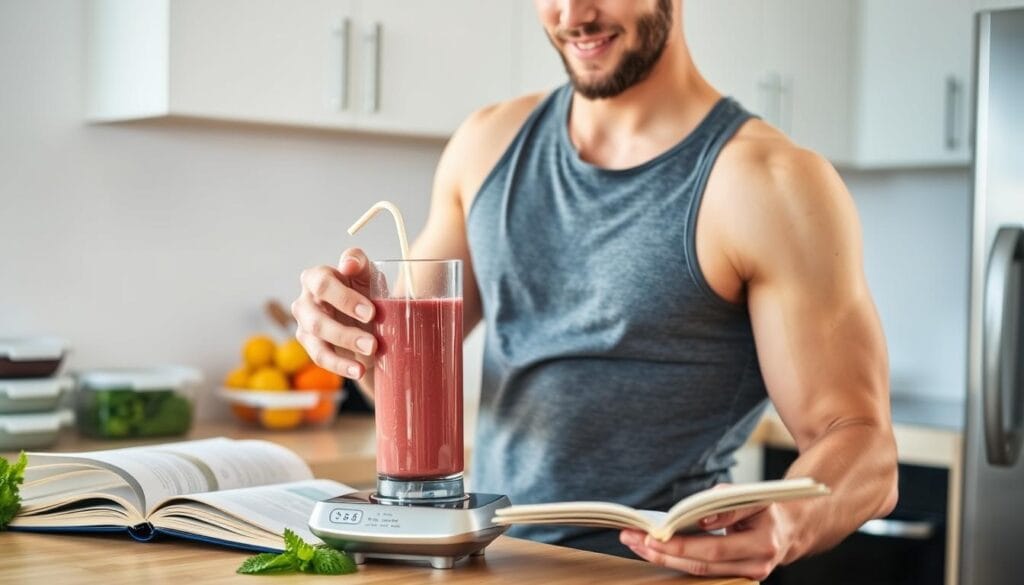
Achieving weight loss is an accomplishment, but maintaining those results requires sustainable strategies. Here’s how to transition from the initial smoothie diet plan to a long-term healthy lifestyle that preserves your results without requiring intense exercise.
Gradual Transition Strategy
Phase 1: Full Plan (Weeks 1-2)
Follow the complete smoothie diet plan with two smoothie meal replacements daily. This creates the calorie deficit needed for initial weight loss while providing essential nutrition.
Phase 2: Partial Plan (Weeks 3-4)
Reduce to one smoothie meal replacement daily, typically breakfast. Add a balanced lunch with lean protein, vegetables, and whole grains while maintaining a healthy dinner.
Phase 3: Maintenance (Ongoing)
Incorporate 3-5 smoothies weekly as either breakfast or lunch options. Focus on whole food meals that mirror the nutritional balance of your smoothies for remaining meals.
Sustainable Habits for Lasting Results
Mindful Eating Practices
Develop awareness of hunger and fullness cues to prevent overeating. Eat slowly, savor each bite, and eliminate distractions during meals. This naturally regulates portion sizes without strict calorie counting and helps maintain weight loss results.
Strategic Meal Planning
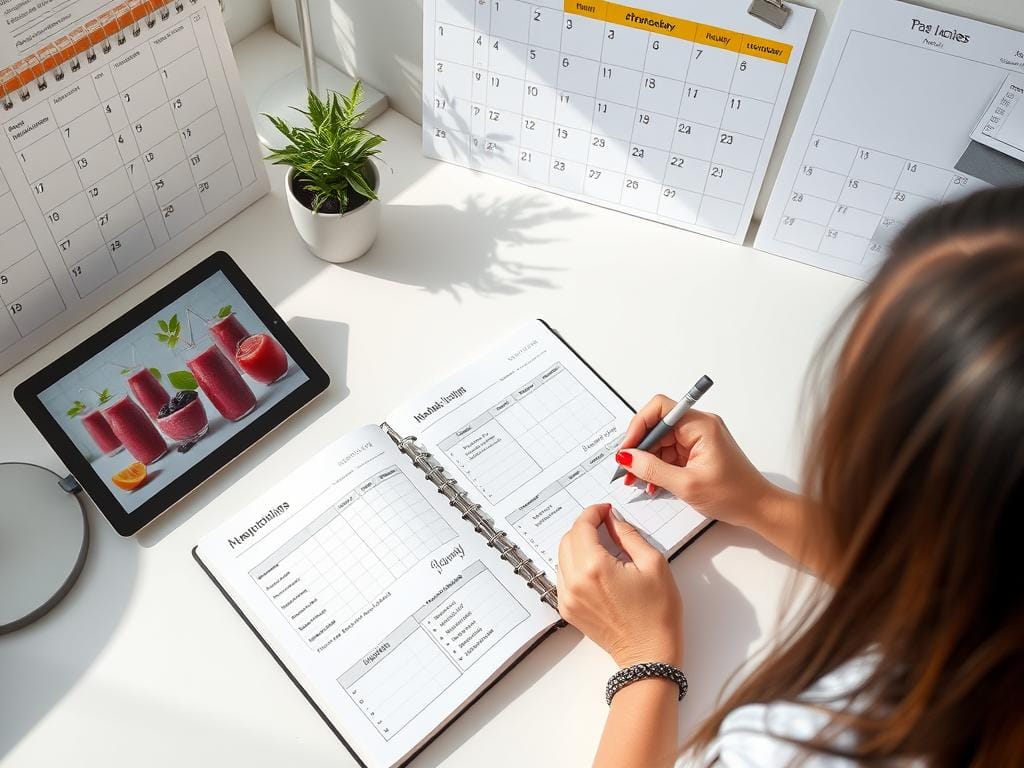
Dedicate time weekly to plan and prepare meals and smoothies. Having healthy options readily available prevents impulsive food choices that can derail progress. Batch-prepare smoothie ingredients in freezer bags for quick assembly on busy mornings.
Non-Exercise Movement
While the plan works without formal exercise, incorporating more movement into daily life enhances results. Take the stairs, park farther away, garden, clean vigorously, or enjoy leisurely walks. These activities burn calories without requiring dedicated workout time.
Progress Monitoring
Track your weight, measurements, energy levels, and other health markers regularly but not obsessively. Monitoring helps identify when small adjustments are needed before significant weight regain occurs. Consider using a journal or app to maintain awareness.
How quickly will I see results with the smoothie diet plan?
Most people notice initial results within the first week, typically losing 3-5 pounds. This early weight loss is partly water weight, but continued adherence to the plan leads to steady fat loss of 1-2 pounds weekly. Beyond weight, many users report improved energy and digestion within days of starting.
Can I follow this plan if I have diabetes?
People with diabetes should consult their healthcare provider before starting any diet plan. If approved, modifications are typically necessary, such as reducing fruit portions, emphasizing protein and healthy fats, and carefully monitoring blood sugar levels. Working with a registered dietitian to customize the plan is highly recommended.
What if I get hungry between smoothies?
Hunger between meals is normal, especially during the adjustment period. Keep healthy snacks on hand such as a small handful of nuts, vegetable sticks with hummus, or a boiled egg. Ensure your smoothies contain adequate protein and fiber, which help maintain fullness. Staying well-hydrated also helps manage hunger sensations.
Ready to Transform Your Health Without Exercise?
Start your weight loss journey today with our complete Smoothie Diet Plan. Get instant access to all recipes, shopping lists, meal schedules, and expert guidance.
Get Your Complete Smoothie Diet Plan
Conclusion: Your Path to Weight Loss Without Exercise
The Smoothie Diet Plan offers a practical, science-backed approach to losing weight without requiring exercise. By strategically replacing meals with nutrient-dense smoothies, you create a calorie deficit while maintaining optimal nutrition—the key formula for sustainable weight loss.
This approach goes beyond simple weight reduction, offering benefits like increased energy, improved digestion, enhanced skin clarity, and better sleep quality. The carefully balanced smoothie recipes ensure you receive complete nutrition while enjoying delicious, satisfying meals that keep hunger at bay.
Remember that while the initial 7-day plan can jumpstart your results, the long-term transition strategy is what ensures lasting success. By gradually incorporating the principles of balanced nutrition into your lifestyle, you can maintain your weight loss achievements without returning to old habits.
Whether you’re unable to exercise due to physical limitations, time constraints, or personal preference, the Smoothie Diet Plan provides an effective alternative path to reaching your weight loss goals. Start your journey today and discover how simple nutrition changes can transform your health and body composition—no gym required.