
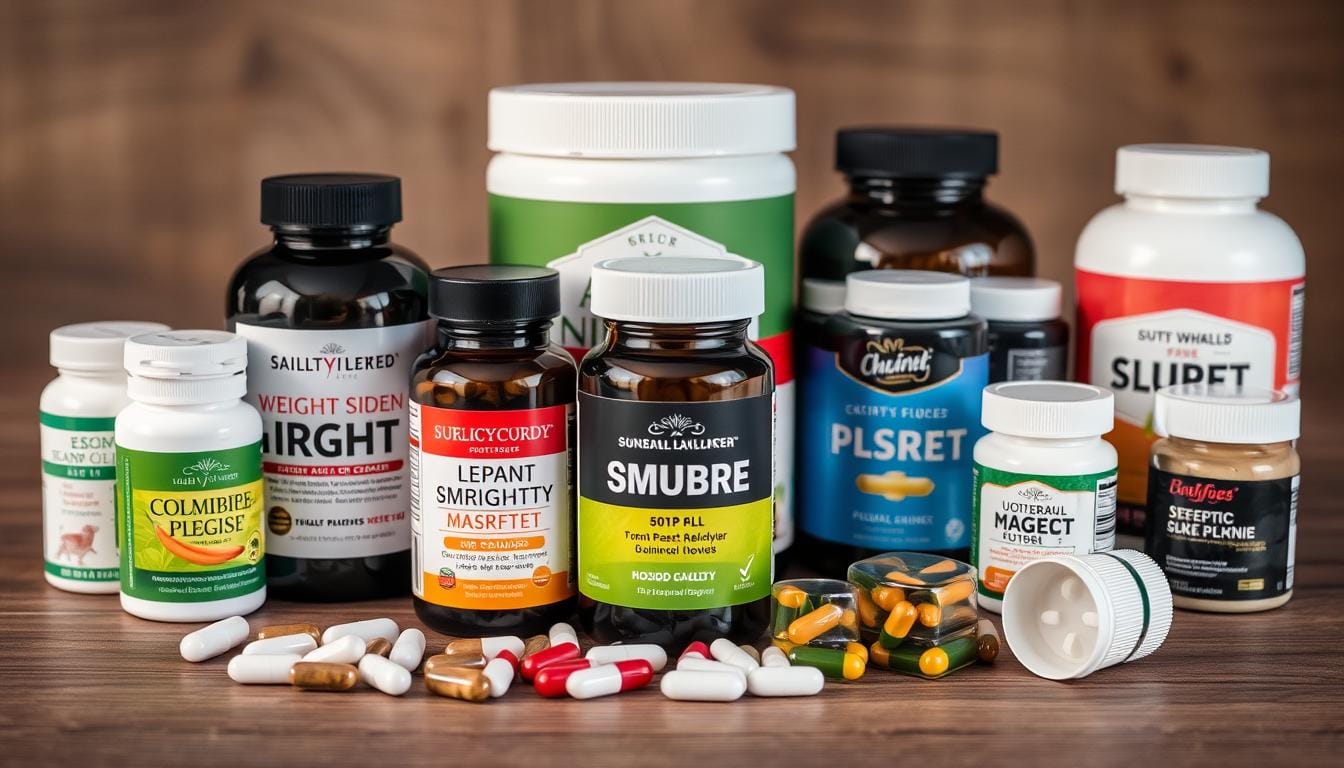
Struggling with weight loss can be frustrating, especially when diet and exercise don’t seem to deliver the results you’re hoping for. Many adults in the USA turn to weight loss supplements to help bridge this gap. These supplements can support your weight management goals by targeting different aspects of weight loss—from boosting metabolism and reducing appetite to increasing fat burning and energy levels.
In this comprehensive guide, we’ll explore the top weight loss supplements available in the American market, examining their ingredients, effectiveness, safety profiles, and value. Whether you’re looking to jumpstart your weight loss journey or break through a plateau, understanding your options can help you make an informed decision that aligns with your health goals and lifestyle.
Understanding Weight Loss Supplements
Weight loss supplements come in various forms including capsules, powders, and tabletsWeight loss supplements are designed to support your body’s natural processes that contribute to weight management. Unlike prescription weight loss medications, these supplements are available over-the-counter and typically contain a combination of natural ingredients, vitamins, minerals, and herbal extracts.
These supplements work through various mechanisms, including:
- Increasing metabolic rate to burn more calories
- Reducing appetite and food cravings
- Blocking fat absorption
- Boosting energy levels to enhance physical activity
- Supporting hormonal balance related to weight management
It’s important to note that dietary supplements are not regulated by the FDA in the same way as prescription medications. The FDA does not review these products for safety or effectiveness before they reach the market. This makes it especially important to choose reputable brands and understand the scientific evidence behind their ingredients.
Top Weight Loss Supplements for Adults in the USA
After extensive research and consultation with nutrition experts, we’ve identified seven of the most effective weight loss supplements currently available in the American market. Each offers unique benefits and approaches to weight management.
1. Glucomannan (Konjac Root)

How It Works
Glucomannan is a dietary fiber derived from the roots of the konjac plant. When consumed, it absorbs water and expands in your stomach, creating a feeling of fullness that helps reduce food intake. This soluble fiber also slows digestion, helping to control blood sugar and cholesterol levels.
Scientific Evidence
Research supports glucomannan’s effectiveness for weight loss. A 2005 study published in Medical Science Monitor found that participants taking glucomannan lost an average of 5.5 pounds over eight weeks without changing their diet or exercise habits. More recent studies have confirmed these findings, showing that glucomannan can help reduce body weight when combined with a healthy diet.
Recommended Dosage
The typical recommended dosage is 1 gram taken three times daily before meals with a full glass of water. It’s important to drink plenty of water when taking glucomannan to prevent it from expanding before reaching your stomach.
Pros
- Natural fiber with minimal side effects
- May help reduce cholesterol and blood sugar
- Promotes feelings of fullness
- Relatively inexpensive
Cons
- Must be taken before meals to be effective
- Can cause bloating and gas initially
- Needs to be taken with adequate water
- Effects are modest compared to some alternatives
Price Range
$15-$30 for a one-month supply, depending on the brand and dosage.
2. Green Tea Extract
How It Works
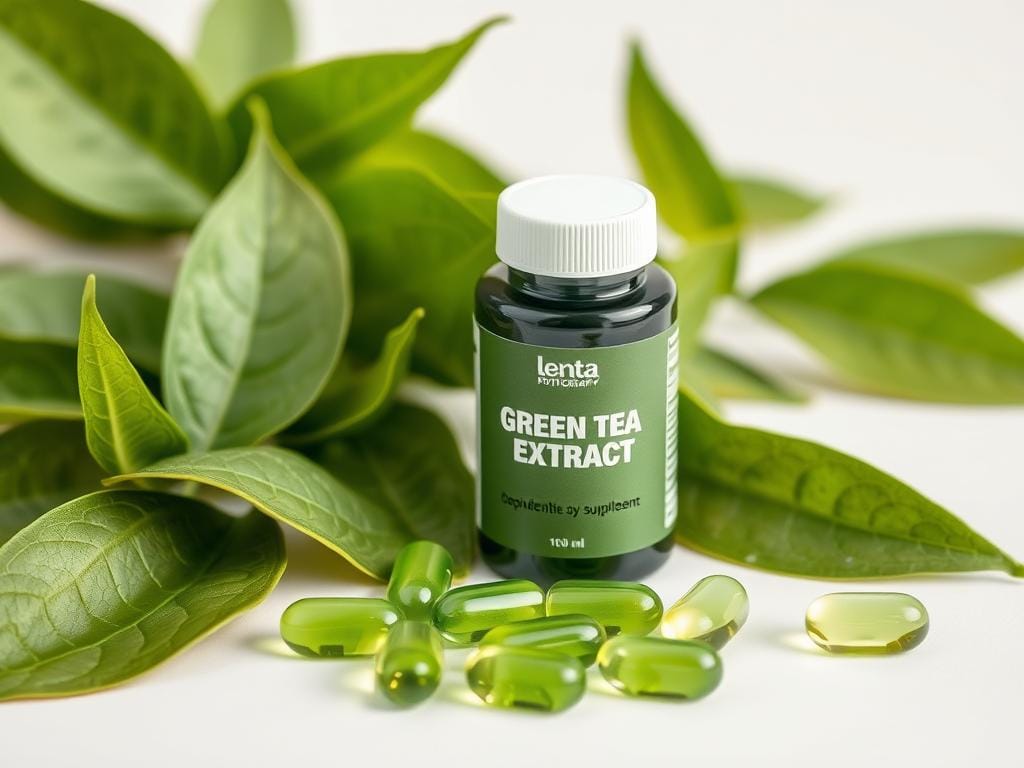
Green tea extract contains catechins, particularly epigallocatechin gallate (EGCG), which are powerful antioxidants that may boost metabolism and increase fat oxidation. It also contains caffeine, which can enhance thermogenesis (heat production) and fat burning when combined with EGCG.
Scientific Evidence
Multiple studies have shown that green tea extract can modestly increase calorie burning. A 2012 review published in the Cochrane Database of Systematic Reviews found that green tea preparations led to small but statistically significant weight loss in overweight or obese adults. The combination of caffeine and catechins appears to be more effective than either component alone.
Recommended Dosage
Most studies use doses containing 400-500mg of EGCG daily, typically divided into 2-3 doses. Look for supplements that specify the amount of EGCG, not just “green tea extract.”
Pros
- Contains antioxidants with multiple health benefits
- May boost metabolism and fat burning
- Well-studied with moderate evidence for effectiveness
- Generally well-tolerated
Cons
- Contains caffeine, which may cause side effects in sensitive individuals
- Weight loss effects are modest
- May interact with certain medications
- Quality and EGCG content varies between brands
Price Range
$15-$40 for a one-month supply, depending on EGCG concentration and brand quality.
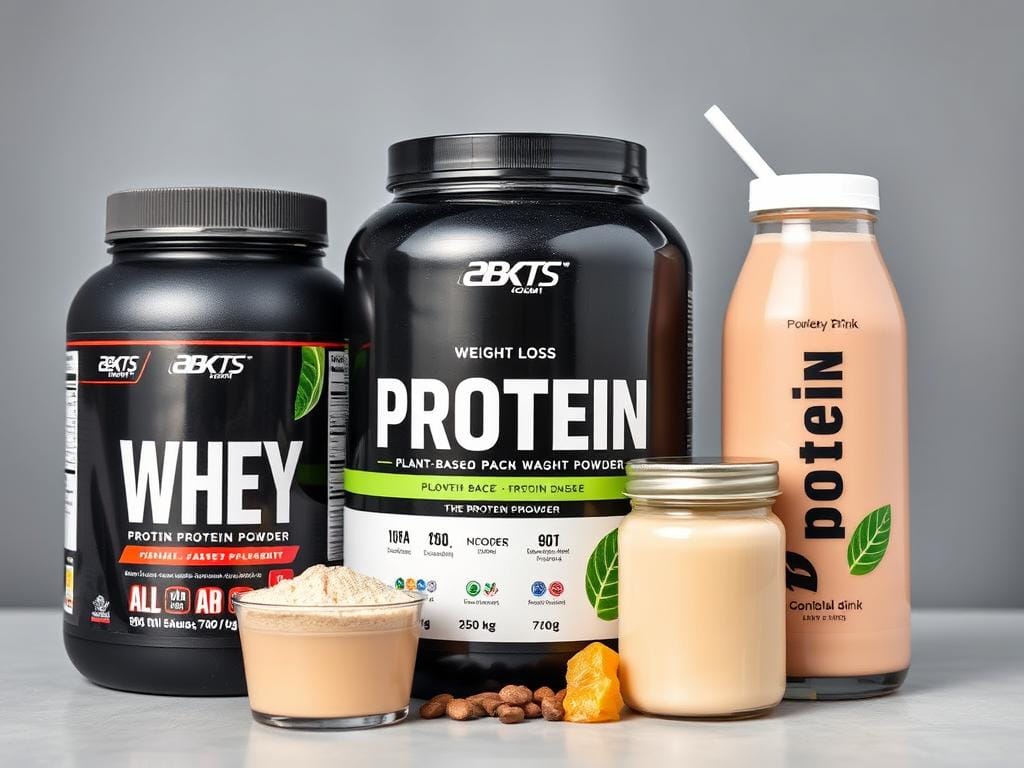
3. Protein Supplements
How It Works
Protein supplements support weight loss in multiple ways. They increase feelings of fullness, reduce hunger hormones, and help preserve lean muscle mass during weight loss. Additionally, protein has a higher thermic effect than carbohydrates or fats, meaning your body burns more calories digesting it.
Scientific Evidence
Research consistently shows that higher protein intake supports weight loss. A 2020 meta-analysis in the Journal of Obesity & Metabolic Syndrome found that protein supplementation significantly reduced body weight and fat mass in overweight and obese individuals when combined with resistance exercise. Whey protein appears particularly effective, though plant-based options also show benefits.
Recommended Dosage
For weight loss, consuming 0.7-1 gram of protein per pound of body weight daily is recommended. Supplements typically provide 20-30 grams per serving and can be used to reach your total daily protein goal.
Pros
- Helps preserve muscle mass during weight loss
- Increases satiety and reduces hunger
- Multiple options available (whey, casein, plant-based)
- Versatile and easy to incorporate into diet
Cons
- Some products contain added sugars or artificial ingredients
- Can be expensive compared to whole food protein sources
- May cause digestive issues in some individuals
- Not a complete solution on its own
Price Range
$25-$60 for a one-month supply, depending on type and quality.
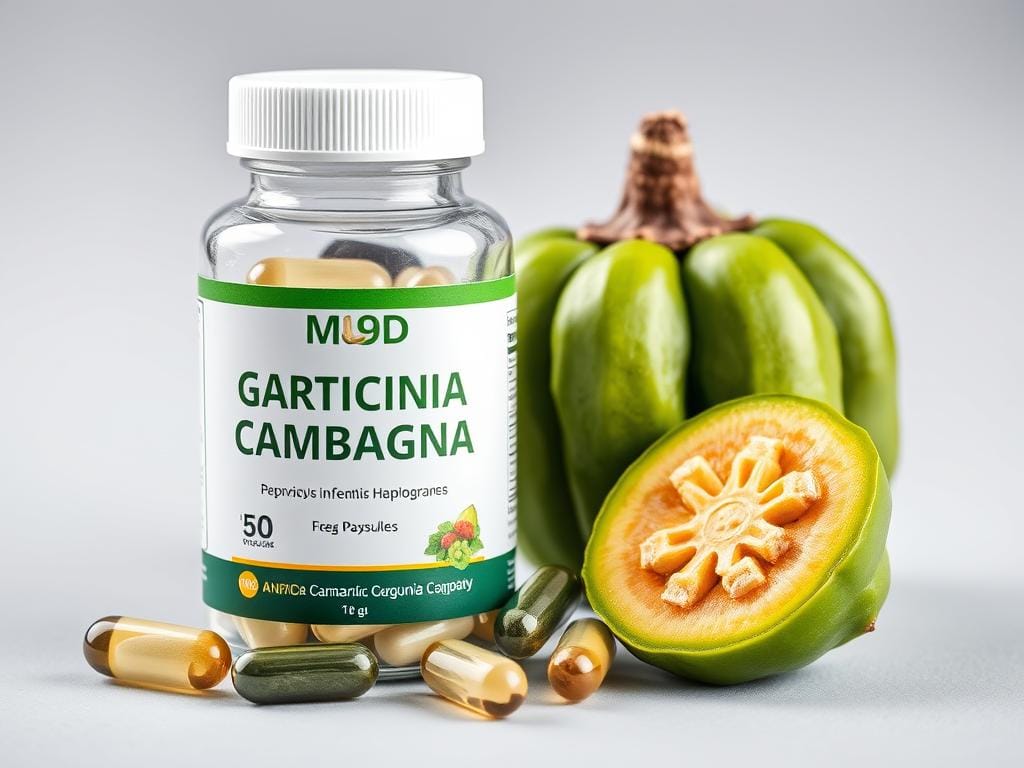
4. Garcinia Cambogia
How It Works
Garcinia cambogia contains hydroxycitric acid (HCA), which is claimed to block an enzyme called citrate lyase that your body uses to make fat. It may also raise levels of serotonin in the brain, potentially helping to reduce cravings and emotional eating.
Scientific Evidence
Research on garcinia cambogia shows mixed results. Some studies indicate modest weight loss benefits, while others show no significant effect. A 2011 review in the Journal of Obesity found that people taking garcinia cambogia supplements lost about 2 pounds more than those taking placebo over a period of 2-12 weeks. However, the quality of many studies is limited.
Recommended Dosage
Most studies use doses of 1,500-2,800mg of HCA per day, divided into 2-3 doses taken 30-60 minutes before meals. Look for products containing at least 50% HCA.
Pros
- May help reduce appetite and cravings
- Could inhibit fat production
- Generally well-tolerated in recommended doses
- Widely available and affordable
Cons
- Research shows modest results at best
- Quality varies significantly between products
- May cause digestive discomfort in some people
- Potential liver concerns with long-term use
Price Range
$15-$30 for a one-month supply, depending on HCA concentration and brand.
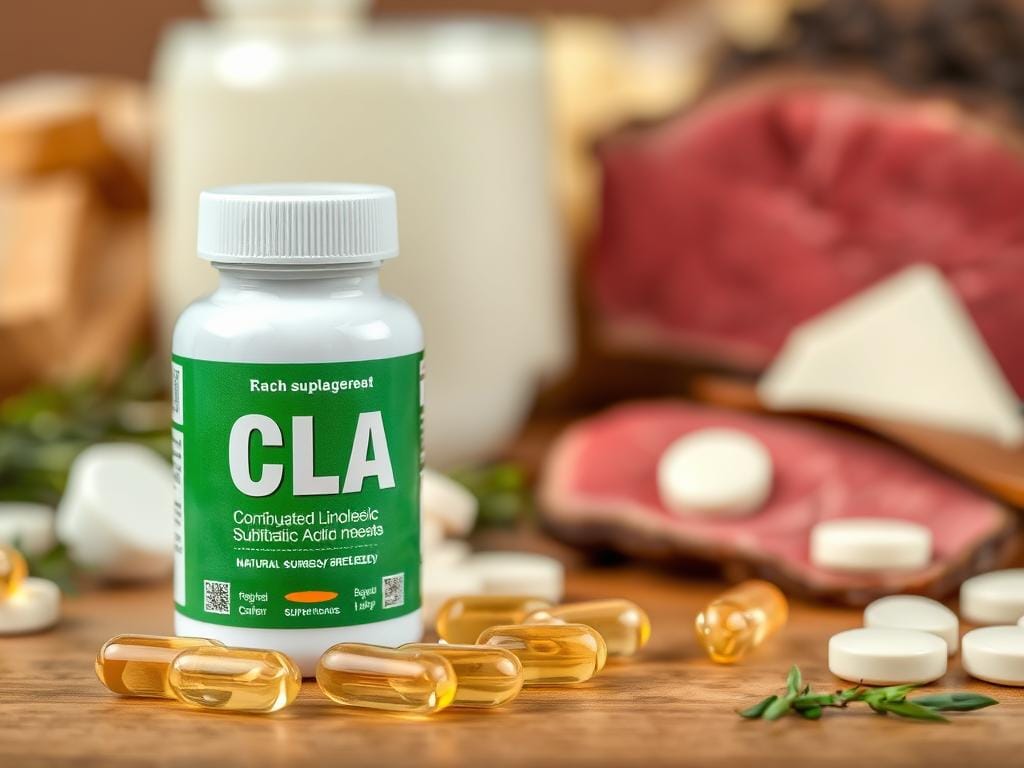
5. Conjugated Linoleic Acid (CLA)
How It Works
CLA is a type of fatty acid found naturally in dairy products and beef. It’s believed to help reduce body fat by increasing basal metabolic rates, enhancing fat breakdown, and inhibiting fat cell formation. CLA may also help preserve muscle tissue during weight loss.
Scientific Evidence
Research on CLA shows modest effects on body composition. A 2015 meta-analysis published in Nutrition found that CLA supplementation led to a small decrease in body fat compared to placebo. The effects were more pronounced in some studies when CLA was combined with exercise. However, results vary between studies, and the long-term effects remain unclear.
Recommended Dosage
Most studies showing benefits used 3-6 grams of CLA per day, typically divided into multiple doses. Look for supplements containing a mix of the active isomers (cis-9, trans-11 and trans-10, cis-12).
Pros
- May help reduce body fat while preserving muscle
- Natural compound found in foods
- Generally considered safe at recommended doses
- May have additional health benefits
Cons
- Effects on weight loss are modest
- May increase insulin resistance in some individuals
- Can cause digestive upset
- Relatively expensive compared to some alternatives
Price Range
$20-$45 for a one-month supply, depending on dosage and quality.
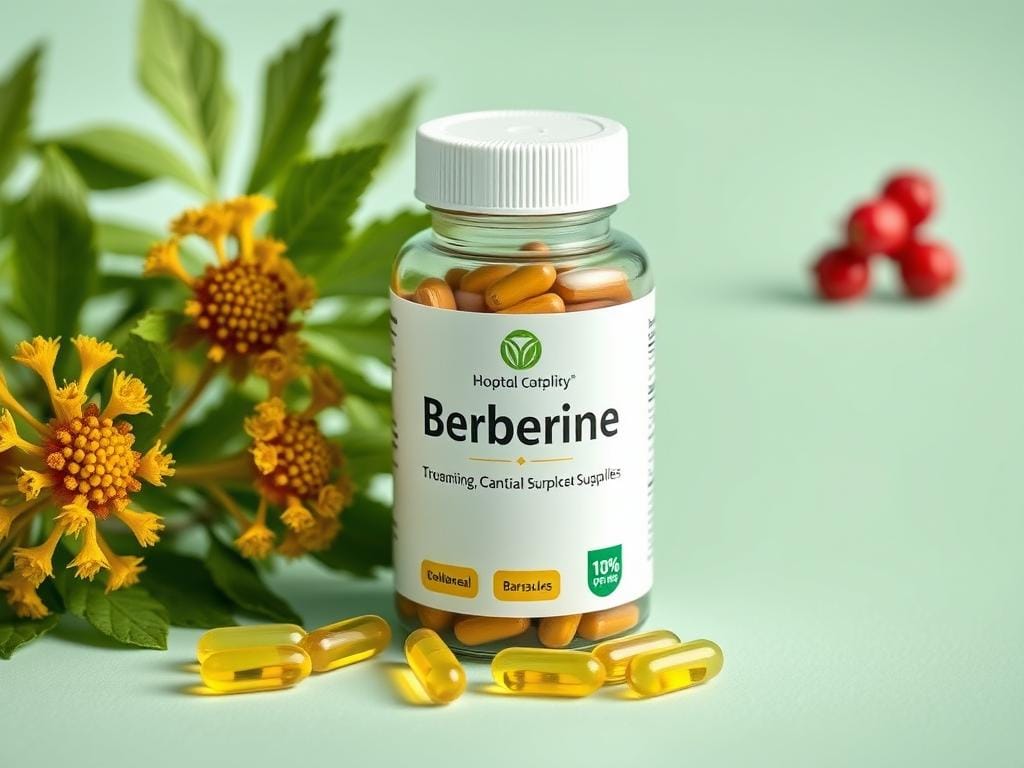
6. Berberine
How It Works
Berberine is a bioactive compound found in several plants. It may support weight loss by improving insulin sensitivity, regulating fat metabolism, and influencing gut bacteria. Berberine activates an enzyme called AMP-activated protein kinase (AMPK), which plays a key role in regulating metabolism.
Scientific Evidence
Research on berberine is promising, particularly for individuals with metabolic issues. A 2012 study in Evidence-Based Complementary and Alternative Medicine found that obese individuals taking 500mg of berberine three times daily for 12 weeks lost an average of 5 pounds more than those taking a placebo. Berberine also significantly improved lipid profiles and insulin sensitivity.
Recommended Dosage
Most studies use 1,000-1,500mg per day, divided into 2-3 doses taken with meals to minimize potential digestive side effects.
Pros
- May improve insulin sensitivity and metabolic health
- Shows promising results for weight loss
- Has additional health benefits for heart and gut
- Well-studied natural compound
Cons
- Can cause digestive issues, especially at higher doses
- May interact with certain medications
- Requires multiple doses throughout the day
- More expensive than some alternatives
Price Range
$25-$50 for a one-month supply, depending on dosage and quality.
7. Probiotics
How It Works
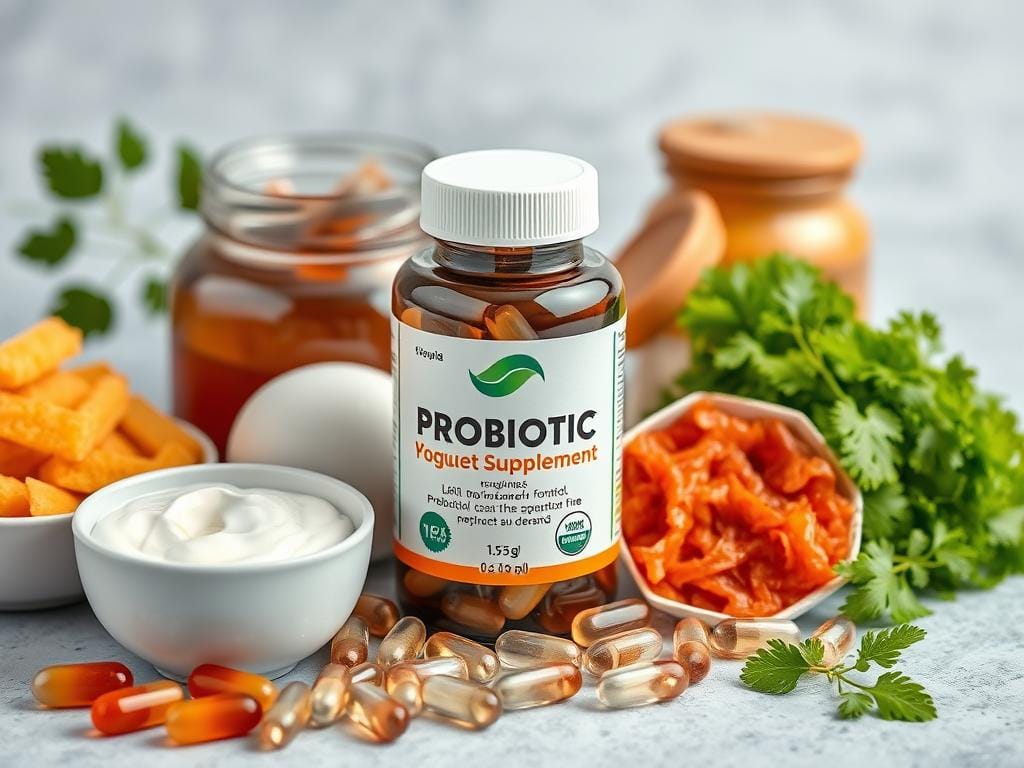
Probiotics are beneficial bacteria that support gut health. Emerging research suggests that the gut microbiome plays a significant role in weight management by influencing metabolism, appetite regulation, and fat storage. Certain probiotic strains may help reduce belly fat and prevent weight gain.
Scientific Evidence
Research on probiotics for weight loss shows promising but mixed results. A 2018 meta-analysis in Nutrients found that probiotic supplementation led to significant reductions in body weight, BMI, and fat percentage compared to placebo, with Lactobacillus and Bifidobacterium strains showing the most benefit. However, effects vary based on the specific strains used.
Recommended Dosage
Effective doses vary by strain, but most studies use supplements containing at least 1 billion CFU (colony-forming units) daily. Look for products with multiple strains, particularly those from the Lactobacillus and Bifidobacterium families.
Pros
- Supports overall gut health
- May help reduce belly fat specifically
- Generally very safe with minimal side effects
- Has numerous other health benefits
Cons
- Effects on weight are modest and vary by strain
- Quality and viability vary significantly between products
- May cause temporary bloating or gas initially
- Requires consistent use for benefits
Price Range
$20-$50 for a one-month supply, depending on strain diversity and CFU count.
Supplement Comparison: Finding Your Best Match 
Comparing supplement labels is essential for finding the right option for your needs
To help you compare the top weight loss supplements at a glance, we’ve created this comprehensive comparison table highlighting key factors to consider when making your choice.
| Supplement | Primary Benefit | Best For | Evidence Strength | Side Effect Risk | Price Range |
| Glucomannan | Appetite suppression | Those who struggle with portion control | Moderate | Low | $15-$30 |
| Green Tea Extract | Metabolism boost | Those looking for antioxidant benefits | Moderate | Low-Moderate | $15-$40 |
| Protein Supplements | Muscle preservation | Active individuals, those on calorie-restricted diets | Strong | Very Low | $25-$60 |
| Garcinia Cambogia | Fat production inhibition | Those with emotional eating patterns | Low-Moderate | Low | $15-$30 |
| CLA | Body composition improvement | Those looking to reduce body fat percentage | Moderate | Low-Moderate | $20-$45 |
| Berberine | Metabolic health improvement | Those with insulin resistance or metabolic issues | Moderate-Strong | Moderate | $25-$50 |
| Probiotics | Gut health support | Those with digestive issues or after antibiotic use | Moderate | Very Low | $20-$50 |
Safety Considerations and FDA Regulations

Understanding FDA regulations is crucial when choosing weight loss supplements
When considering weight loss supplements, safety should be your top priority. Unlike prescription medications, dietary supplements in the USA are regulated differently by the Food and Drug Administration (FDA).
Important FDA Regulations for Dietary Supplements
The FDA regulates dietary supplements under the Dietary Supplement Health and Education Act of 1994 (DSHEA). Under this framework:
- Manufacturers are responsible for ensuring their products are safe before marketing them
- The FDA does not “approve” dietary supplements for safety or effectiveness before they reach the market
- The FDA can take action against unsafe products after they reach the market
- Manufacturers must ensure their product labels are truthful and not misleading
Potential Side Effects and Interactions
Even natural supplements can cause side effects or interact with medications. Common side effects of weight loss supplements may include:
- Digestive issues (nausea, diarrhea, constipation)
- Headaches or dizziness
- Sleep disturbances
- Increased heart rate or blood pressure (particularly with stimulants)
- Allergic reactions
Warning Signs to Watch For
Stop taking a supplement and consult a healthcare provider immediately if you experience:
- Severe headache, dizziness, or confusion
- Chest pain or irregular heartbeat
- Difficulty breathing
- Severe stomach pain or persistent nausea/vomiting
- Allergic reactions (rash, itching, swelling)
- Unusual fatigue or weakness
Populations Who Should Exercise Extra Caution
Certain groups should be particularly careful with weight loss supplements:
- Pregnant or breastfeeding women
- People with chronic health conditions (heart disease, diabetes, liver or kidney disease)
- Those taking prescription medications
- Individuals with a history of eating disorders
- People under 18 years of age
- Older adults (over 65)
Safety First
Always consult with a healthcare provider before starting any supplement regimen, especially if you have existing health conditions or take medications.
How to Choose the Right Weight Loss Supplement

Consulting with a healthcare professional can help you choose the right supplement
With so many options available, selecting the right weight loss supplement can feel overwhelming. Here are key factors to consider when making your decision:
Assess Your Specific Needs
Different supplements target different aspects of weight loss. Consider your primary challenges:
- Appetite control: If you struggle with hunger or emotional eating, consider appetite suppressants like glucomannan or 5-HTP
- Metabolism: If you have a slow metabolism, thermogenic ingredients like green tea extract may help
- Energy levels: If low energy prevents you from exercising, supplements with moderate caffeine might be beneficial
- Fat loss: If you’re specifically targeting fat loss while preserving muscle, consider CLA or protein supplements
- Metabolic health: If you have insulin resistance or blood sugar concerns, berberine may be appropriate
Evaluate Quality Indicators
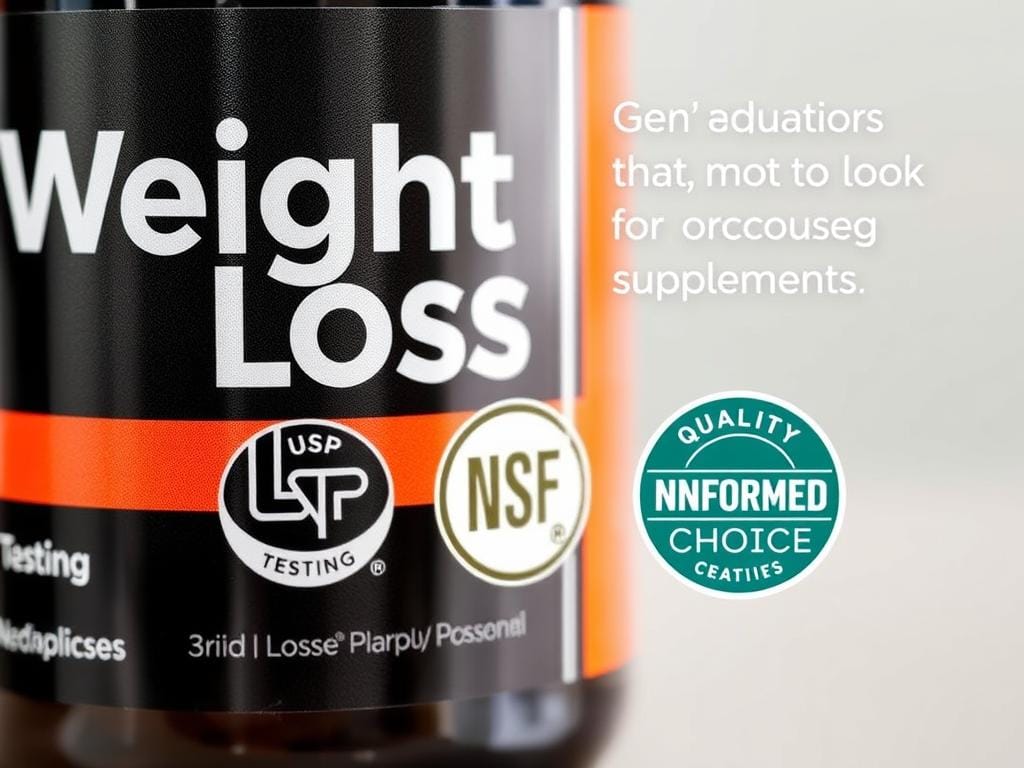
Look for third-party testing certifications when choosing supplements
Not all supplements are created equal. Look for these quality indicators:
- Third-party testing: Certifications from organizations like USP, NSF, or Informed Choice
- Transparent labeling: Clear listing of all ingredients and their amounts (beware of “proprietary blends”)
- GMP certification: Indicates the product was manufactured following Good Manufacturing Practices
- Reputable manufacturer: Companies with established histories and positive reviews
- Clean formulations: Minimal fillers, artificial colors, or unnecessary additives
Consider Your Health Status
Your current health conditions and medications should influence your supplement choice:
- If you have high blood pressure, avoid stimulant-based supplements
- Those with diabetes should be cautious with supplements that affect blood sugar
- If you take prescription medications, check for potential interactions
- Those with digestive conditions should be careful with fiber supplements
- If you have hormonal conditions, avoid supplements that might disrupt hormone balance
Personalized Guidance
For personalized recommendations based on your specific health profile, consider consulting with a registered dietitian or healthcare provider who specializes in weight management.
Combining Supplements with Lifestyle Changes for Optimal Results

Supplements work best when combined with healthy eating and regular exercise
Weight loss supplements are most effective when used as part of a comprehensive approach to weight management. Here’s how to maximize your results by combining supplements with lifestyle changes:
Nutrition Strategies
The foundation of any successful weight loss plan is a balanced, nutritious diet:
- Create a moderate calorie deficit (typically 500 calories below maintenance)
- Emphasize protein (0.7-1g per pound of body weight) to preserve muscle mass
- Include plenty of fiber-rich vegetables and fruits for satiety and nutrition
- Choose complex carbohydrates over refined options
- Include healthy fats from sources like avocados, nuts, and olive oil
- Stay hydrated with plenty of water (aim for 64-100 oz daily)
Exercise Recommendations

A combination of strength training and cardio provides optimal results
Physical activity enhances the effectiveness of weight loss supplements and provides numerous health benefits:
- Strength training: 2-3 sessions weekly to preserve and build muscle mass
- Cardiovascular exercise: 150+ minutes of moderate activity weekly
- Daily movement: Aim for 7,000-10,000 steps daily
- Flexibility and mobility: Include stretching or yoga to prevent injury
- Consistency: Establish a sustainable routine you can maintain long-term
Lifestyle Factors
Other lifestyle elements that significantly impact weight management include:
- Sleep: Aim for 7-9 hours of quality sleep nightly
- Stress management: Practice meditation, deep breathing, or other relaxation techniques
- Meal timing: Establish regular eating patterns that work for your lifestyle
- Social support: Engage friends, family, or online communities for accountability
- Mindful eating: Pay attention to hunger and fullness cues
Supplement Timing and Integration
To maximize the benefits of your supplements:
- Follow the specific timing recommendations for your chosen supplement
- Be consistent with your supplement regimen
- Track your progress with measurements beyond just weight (energy levels, measurements, etc.)
- Reassess every 8-12 weeks to determine if the supplement is providing benefits
- Consider cycling certain supplements to prevent adaptation
Remember:
Supplements should enhance your healthy lifestyle, not replace it. Even the best weight loss supplement will have minimal effect without proper nutrition and regular physical activity.
Frequently Asked Questions About Weight Loss Supplements
How long does it take to see results from weight loss supplements?
Results vary based on the supplement, your individual metabolism, and your overall lifestyle. Most research studies on weight loss supplements run for at least 8-12 weeks, suggesting this is a reasonable timeframe to evaluate effectiveness. Some people may notice changes in appetite or energy levels within days, but measurable weight loss typically takes several weeks of consistent use combined with healthy diet and exercise.
Are natural weight loss supplements safer than synthetic ones?
Natural doesn’t automatically mean safer. Both natural and synthetic supplements can cause side effects or interact with medications. The safety of a supplement depends on its specific ingredients, quality, dosage, and how it interacts with your individual health profile. Always research ingredients thoroughly and consult with a healthcare provider before starting any supplement, regardless of whether it’s marketed as natural or synthetic.
Can I take multiple weight loss supplements together?
While it’s possible to combine certain supplements, doing so increases the risk of side effects and interactions. Some combinations may be redundant or counterproductive. If you’re considering taking multiple supplements, it’s essential to consult with a healthcare provider first. They can help you evaluate potential risks and benefits based on your specific health needs and the particular supplements you’re considering.
Will I regain weight when I stop taking the supplement?
If you return to previous eating and exercise habits after stopping a supplement, weight regain is likely. Sustainable weight management requires lasting lifestyle changes. Some supplements, particularly those that affect water retention or digestive function, may show a small weight fluctuation when discontinued. The best approach is to use supplements as temporary tools while developing healthy habits that you can maintain long-term.
Are weight loss supplements worth the money?
The value depends on your expectations and how you use them. If you expect dramatic results from supplements alone, you’ll likely be disappointed. However, if you use evidence-based supplements as part of a comprehensive approach that includes proper nutrition and exercise, they may provide enough additional benefit to be worth the investment for some people. Consider your budget, health goals, and whether the potential benefits justify the cost for your specific situation.
Conclusion: Finding Your Path to Sustainable Weight Management

Sustainable weight management combines the right supplements with healthy lifestyle choices
Weight loss supplements can be valuable tools in your weight management journey when used appropriately and with realistic expectations. The best weight loss supplement for adults in the USA varies depending on individual needs, health status, and specific weight loss challenges.
Based on our comprehensive review, several supplements stand out for different needs:
- For appetite control: Glucomannan offers a natural, fiber-based approach
- For metabolic support: Green tea extract and berberine show promising results
- For preserving muscle mass: Protein supplements are well-supported by research
- For overall health: Probiotics offer weight benefits plus broader health advantages
Remember that supplements work best when combined with a nutritious diet, regular physical activity, adequate sleep, and stress management. There is no magic pill for weight loss—sustainable results come from consistent healthy habits supported by thoughtfully chosen supplements when needed.
Before starting any supplement regimen, consult with a healthcare provider, especially if you have existing health conditions or take medications. This personalized guidance can help you select the safest and most effective options for your unique situation.
Ready to Start Your Weight Loss Journey?
Remember to consult with a healthcare professional before beginning any supplement regimen. With the right approach, you can achieve your weight management goals safely and effectively.