

Smoothie diets have surged in popularity as a quick and convenient approach to weight loss. With promises of rapid results and nutritional benefits, many people turn to these liquid meal replacements hoping to shed pounds while consuming fruits and vegetables they might otherwise avoid. The 21-Day Smoothie Diet, in particular, has gained significant attention for its structured approach and bold claims about weight loss potential.
But beyond the colorful Instagram posts and enthusiastic testimonials, what does science actually say about smoothie diets? Are they an effective strategy for sustainable weight loss, or just another passing fad? This comprehensive analysis examines the evidence behind smoothie diets, their potential benefits and drawbacks, and who might benefit most from this approach.
What Is the Smoothie Diet?
The Smoothie Diet typically refers to a weight loss plan that replaces one or more daily meals with nutrient-dense smoothies. The most popular version, the 21-Day Smoothie Diet created by health coach Drew Sgoutas, involves replacing two meals per day with specially designed smoothies while maintaining one regular “healthy” meal and small snacks.
This program comes with a structured 21-day plan, complete with shopping lists, meal schedules, and 36 smoothie recipes. The smoothies contain various combinations of fruits, vegetables, proteins, and healthy fats designed to provide essential nutrients while keeping calorie counts low.
Key Components of the Smoothie Diet
- Duration: Typically followed for 21 days, though some versions recommend longer periods
- Meal replacement: Substitutes 1-2 meals daily with nutrient-dense smoothies
- Common ingredients: Fruits, vegetables, leafy greens, protein sources (like Greek yogurt or protein powder), and healthy fats (such as avocado or nut butter)
- Solid meals: Usually includes one regular meal per day that follows specific nutritional guidelines
- Optional “detox” phase: Some versions begin with a 3-day period where all meals are replaced with smoothies
The diet claims to create a calorie deficit while providing essential nutrients, leading to weight loss. Proponents also suggest it can reset taste buds to reduce sugar cravings, improve energy levels, enhance skin health, and support digestion.
Scientific Analysis: How Smoothie Diets Work for Weight Loss
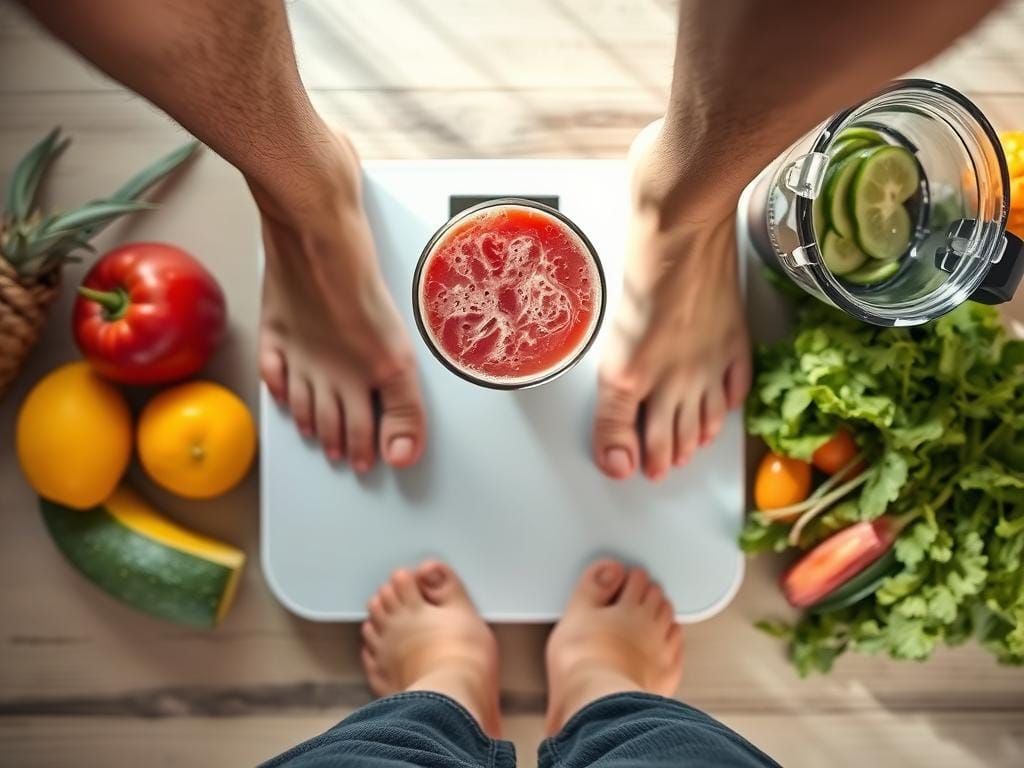
To understand whether smoothie diets actually work for weight loss, we need to examine the underlying mechanisms and scientific principles at play.
Calorie Restriction
The primary weight loss mechanism behind the Smoothie Diet is calorie restriction. Most smoothie diet plans provide approximately 1,200-1,500 calories per day, creating a significant calorie deficit for most adults. Research consistently shows that creating a calorie deficit is essential for weight loss, regardless of which foods make up those calories.
The 21-Day Smoothie Diet, for instance, typically provides around 1,500 daily calories, which is below the maintenance calorie needs of most adults. This deficit naturally leads to weight loss, at least in the short term.
Nutrient Density
Smoothies can pack substantial nutrition into relatively few calories when properly prepared. Fruits and vegetables are rich in fiber, vitamins, minerals, and phytonutrients while being naturally low in calories. This high nutrient density can support overall health during weight loss.
A well-formulated smoothie diet encourages the consumption of nutrient-dense foods that might otherwise be missing from many people’s diets. This increased intake of fruits and vegetables aligns with dietary guidelines and may offer health benefits beyond weight loss.
Portion Control
Smoothie diets provide built-in portion control, which is often a challenge for people trying to lose weight. By following specific recipes with measured ingredients, dieters can avoid the common pitfall of underestimating portion sizes and calorie content.
This structured approach eliminates much of the guesswork around calorie counting and can help establish better awareness of appropriate portion sizes even after the diet ends.
Potential Benefits of the Smoothie Diet

- Increased fruit and vegetable intake: Many people struggle to consume the recommended daily servings of fruits and vegetables. Smoothies make it easier to incorporate these nutrient-dense foods into your diet.
- Convenience factor: In our busy world, smoothies offer a quick, portable meal option that requires minimal preparation time once you have the ingredients on hand.
- Structured approach: The clear guidelines and meal plans can help those who struggle with meal planning and decision fatigue.
- Potential short-term weight loss: The calorie deficit created by replacing higher-calorie meals with smoothies can lead to initial weight loss.
- Improved digestion: The high fiber content in fruit and vegetable smoothies may support digestive health and regularity.
Research suggests that increasing fruit and vegetable intake, as smoothie diets encourage, is associated with lower risks of chronic diseases and better weight management. A 2017 study published in Scientific Reports found that a vegetable/fruit juice-based diet had positive effects on the gut microbiome, which plays a crucial role in overall health.
Additionally, the structured nature of smoothie diets may help establish healthier eating patterns. By replacing ultra-processed foods with nutrient-dense smoothies, people often experience improved energy levels and reduced cravings for sugary foods over time.
Critical Examination: Drawbacks and Risks

Potential Drawbacks of Smoothie Diets
- Nutritional gaps: Relying primarily on smoothies may lead to deficiencies in certain nutrients, particularly protein, healthy fats, and some minerals.
- High sugar content: Fruit-heavy smoothies can contain significant amounts of natural sugar, which may affect blood glucose levels.
- Reduced satiety: Liquid calories are generally less filling than solid foods, potentially leading to increased hunger.
- Muscle loss risk: Very low-calorie smoothie diets may cause loss of muscle mass along with fat, especially if protein intake is inadequate.
- Sustainability concerns: Many people find it difficult to maintain a smoothie-based diet long-term.
One of the most significant concerns with smoothie diets is their potential impact on blood sugar levels. A study published in the journal Nutrients found that liquefied fruits can cause faster and higher spikes in blood glucose compared to whole fruits, due to the breakdown of fiber during blending.
Additionally, research published in the Journal of the American Dietetic Association suggests that liquid calories provide less satiety than solid foods, potentially leading to increased overall calorie consumption. This reduced feeling of fullness may make adherence difficult and contribute to weight regain once normal eating patterns resume.
Risk of Nutritional Deficiencies
While smoothies can be nutrient-rich, they often lack adequate amounts of certain essential nutrients. Many smoothie recipes are relatively low in protein, which is crucial for preserving muscle mass during weight loss. Without sufficient protein, weight loss may include a higher proportion of muscle rather than fat.
Furthermore, smoothie diets that severely restrict calories (below 1,200 per day) may not provide adequate amounts of iron, calcium, vitamin B12, and other essential nutrients. Over time, these deficiencies can lead to fatigue, weakened immune function, and other health problems.
How the Smoothie Diet Compares to Other Weight Loss Approaches
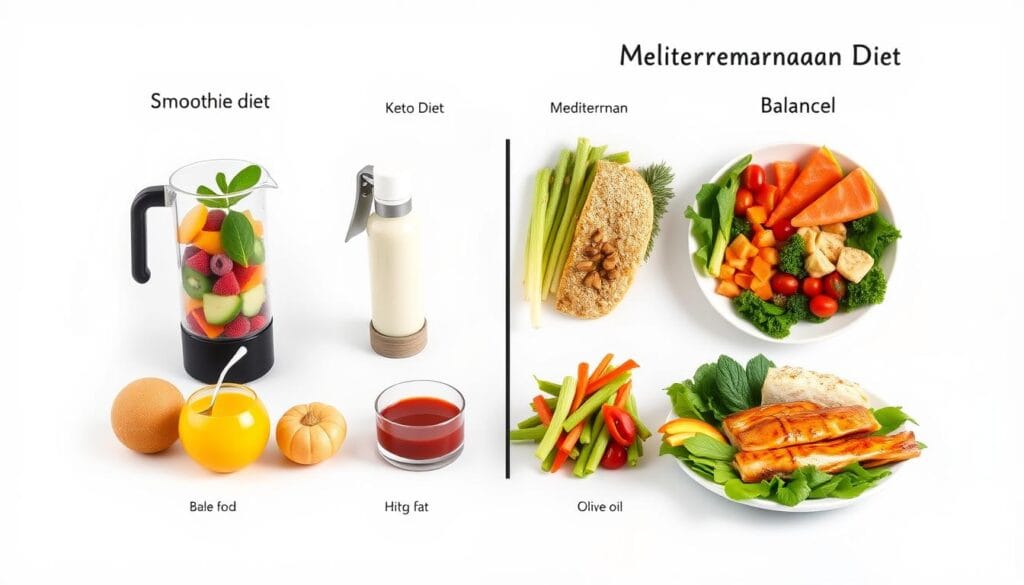
| Diet Approach | Weight Loss Effectiveness | Nutritional Balance | Sustainability | Scientific Support |
| Smoothie Diet | Moderate to High (Short-term) | Moderate (Potential gaps) | Low to Moderate | Limited |
| Mediterranean Diet | Moderate (Long-term) | High | High | Extensive |
| Intermittent Fasting | Moderate to High | Varies (Depends on food choices) | Moderate | Growing |
| Low-Carb/Keto | High (Short-term) | Moderate (Potential gaps) | Low to Moderate | Moderate |
| Balanced Calorie Reduction | Moderate | High | High | Extensive |
The Smoothie Diet shares similarities with other meal replacement approaches but differs in its emphasis on fruits and vegetables. Unlike protein-focused meal replacements, smoothie diets tend to be higher in carbohydrates and natural sugars while potentially lower in protein.
Compared to more sustainable approaches like the Mediterranean diet, smoothie diets typically offer faster initial weight loss but may be more challenging to maintain long-term. The Mediterranean diet, which has extensive scientific support, emphasizes whole foods consumed in their natural state rather than blended forms.
Intermittent fasting, another popular approach, restricts when you eat rather than what you eat. Some people find this more sustainable than replacing meals with smoothies, though both approaches can create the calorie deficit necessary for weight loss.
Expert Opinions and Scientific Evidence

“While smoothies can be a convenient way to increase fruit and vegetable intake, they shouldn’t replace whole foods entirely. The fiber structure is altered during blending, which affects how your body processes the nutrients and sugars.”
Registered dietitians generally agree that while smoothies can be part of a healthy diet, exclusive smoothie diets raise concerns. The Academy of Nutrition and Dietetics emphasizes that whole, minimally processed foods should form the foundation of a healthy eating pattern, with smoothies serving as occasional meal replacements rather than the primary source of nutrition.
A 2018 review published in Current Research in Nutrition and Food Science found that while smoothie consumers reported positive attitudes toward the health benefits of smoothies, there was limited scientific evidence supporting the use of smoothie-only diets for long-term weight management.
What Research Shows
- Short-term weight loss: Studies show that meal replacement approaches, including smoothie diets, can lead to initial weight loss due to calorie restriction.
- Fruit and vegetable benefits: Research confirms that increased consumption of fruits and vegetables is associated with lower risks of chronic diseases.
- Liquid vs. solid food: Multiple studies indicate that liquid calories are less satiating than solid foods, potentially affecting hunger and compliance.
- Long-term sustainability: Evidence suggests that highly restrictive diets, including liquid meal replacements, have high dropout rates and poor long-term adherence.
While no large-scale clinical trials have specifically evaluated the 21-Day Smoothie Diet, research on similar meal replacement approaches suggests they can be effective for initial weight loss but may not support long-term weight maintenance without additional lifestyle changes.
Practical Tips for a Safer Smoothie Diet Approach
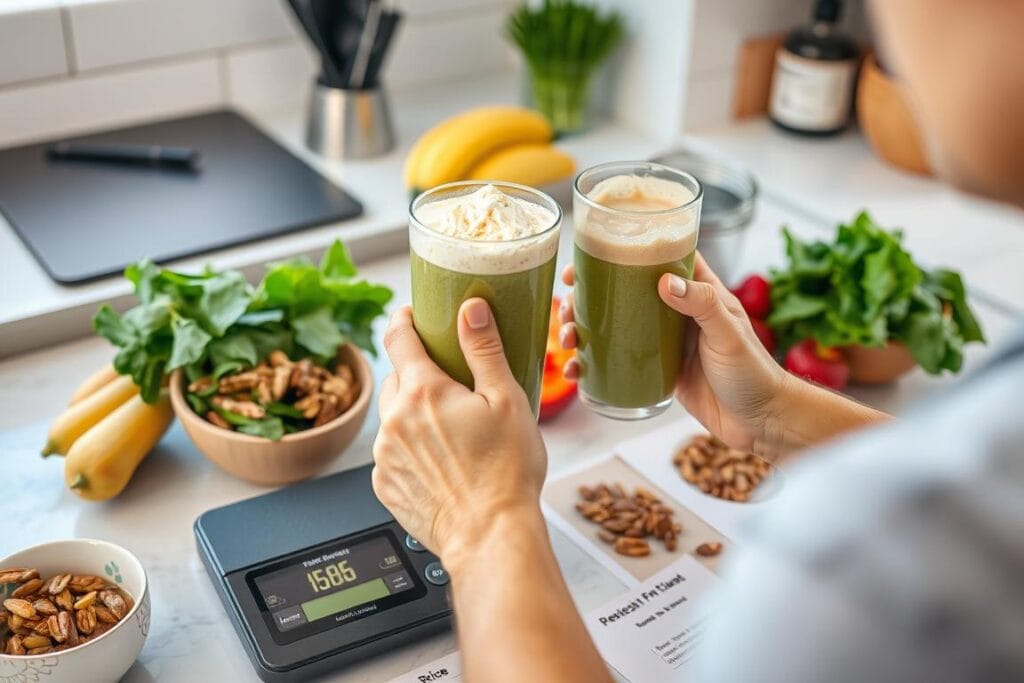
If you’re considering trying a smoothie diet, these practical tips can help you maximize benefits while minimizing potential risks:
Optimizing Your Smoothie Nutrition
What to Include:
- Protein sources: Greek yogurt, protein powder, nut butter, or silken tofu (aim for 15-30g per smoothie)
- Healthy fats: Avocado, chia seeds, flaxseeds, or nut butters (1-2 tablespoons)
- Fiber boosters: Oats, psyllium husk, or ground flaxseed (1-2 tablespoons)
- Vegetables: Leafy greens like spinach or kale (1-2 cups)
- Limited fruit: 1/2 to 1 cup of fruit per smoothie to control sugar content
What to Avoid:
- Added sugars: Honey, agave, or sweetened yogurt
- Fruit juices: Opt for whole fruits instead
- Too many high-sugar fruits: Limit bananas, mangoes, and pineapples
- Excessive dried fruits: These are concentrated sources of sugar
- Ice cream or sorbet: These add empty calories and sugar
Implementation Strategies
- Start gradually: Replace just one meal per day with a smoothie rather than jumping into a full smoothie diet
- Time-limited approach: Consider using smoothie meal replacements for 1-2 weeks maximum before transitioning to a more sustainable eating pattern
- Monitor your energy: If you feel excessively hungry, fatigued, or weak, you may need to adjust your approach
- Complement with exercise: Include both cardio and strength training to preserve muscle mass during weight loss
- Plan your solid meal: Make your non-smoothie meal nutritionally complete with lean protein, complex carbohydrates, healthy fats, and vegetables
Safety Note: Consult with a healthcare provider before starting any restrictive diet, especially if you have existing health conditions like diabetes, kidney disease, or a history of eating disorders. Pregnant or breastfeeding women, children, and adolescents should avoid meal replacement diets.
Setting Realistic Expectations

Understanding what results you can realistically expect from a smoothie diet can help you decide if this approach aligns with your goals:
- People seeking a short-term reset: Those looking to break unhealthy eating patterns and jumpstart healthier habits
- Individuals who struggle with vegetable intake: People who find it difficult to consume enough vegetables in their regular diet
- Those who prefer structured plans: People who thrive with clear guidelines and meal plans
- Busy individuals: Those with limited time for meal preparation who need convenient options
Who Should Consider Alternative Approaches
- People with medical conditions: Those with diabetes, kidney disease, or other conditions requiring specific nutritional considerations
- Individuals with a history of disordered eating: Those who may be triggered by restrictive eating patterns
- Athletes and highly active individuals: People with higher calorie and protein needs
- Those seeking sustainable long-term change: People looking for a permanent lifestyle shift rather than a temporary diet
Typical Results
Most people following a 21-day smoothie diet can expect to lose approximately 5-10 pounds, though individual results vary significantly based on starting weight, adherence, and activity level. It’s important to note that some of this initial weight loss may be water weight rather than fat loss.
For sustainable results, research suggests that a more moderate approach—such as replacing one meal per day with a nutrient-dense smoothie while focusing on balanced whole-food meals otherwise—may be more effective long-term than an intensive smoothie-only approach.
Conclusion: Does the Smoothie Diet Actually Work?

The smoothie diet can work for short-term weight loss due to its calorie-restricted nature and emphasis on nutrient-dense ingredients. Many people do experience initial weight loss, improved energy levels, and increased fruit and vegetable consumption when following this approach.
However, the science suggests that smoothie diets are not ideal for long-term weight management. The potential nutritional gaps, high sugar content, reduced satiety from liquid meals, and difficulty maintaining the diet long-term all present significant challenges.
A more balanced approach might include incorporating nutrient-dense smoothies as occasional meal replacements or supplements to an otherwise whole-food diet. This strategy allows you to enjoy the convenience and nutritional benefits of smoothies without the drawbacks of an exclusively liquid-based diet.
Ultimately, the most effective weight loss approach is one that you can maintain long-term, provides complete nutrition, and fits your lifestyle and preferences. For most people, this means focusing on whole, minimally processed foods, regular physical activity, and sustainable habits rather than short-term diet plans.
Find Your Personalized Nutrition Plan
Wondering if a smoothie-based approach is right for your unique needs? Take our free nutrition assessment to receive personalized recommendations based on your health goals, lifestyle, and preferences.